Contents

    Most training and nutrition advice is still written about women — but not for them. In this episode, Andrew Huberman hosts Dr. Stacy Sims, who returns to set the record straight with the latest research on female-specific exercise, metabolism, recovery, and longevity. Whether you’re navigating your 20s, 40s, or postmenopause, you’ll get science-backed, actionable advice tailored to your body, your hormones, and your goals.

    This is the kind of real-world, real-biology guidance we wish more people got earlier in life!

    Episode Takeaways:

    • How to train and eat based on your menstrual cycle (and why it works)
    • Should women work out fasted? The real answer
    • The best combination of strength, HIIT, and sprint training for health & performance
    • How caffeine, supplements, and recovery strategies impact women differently
    • Why traditional calorie-cutting and cardio-heavy plans often backfire
    • Cold exposure, sauna, and sleep: what women need to know
    • How to stay metabolically healthy and strong through perimenopause and beyond

    Why This Matters: 

    At Clay, we work with many who feel like their workouts and diets have “stopped working.” Aging requires evolving strategies. Most fitness and nutrition advice doesn’t account for the unique physiology, hormonal shifts, or aging patterns of women. That’s why we’re big on cycle-aware training, protein-forward fueling, and long-term strategies that actually support female metabolism, brain health, and energy.

    Author

    Contents

      Fueling the Five Elements

      Here at Clay, we teach that Fuel is where health begins—and often, where it turns around. It’s one of the Five Elements of Health we coach every client on, alongside movement, recovery, environment, and connection. I’ve seen first-hand how transformational fueling can be—especially when it’s aligned with your biomarkers and your lifestyle.

      Many of my clients come in stuck: tired, inflamed, or unable to lose weight, despite doing all the “right” things. But with data-backed insights and a coaching approach that addresses behavior change, they begin to shift—not just what they eat, but how they think about food. Fuel becomes power. Fuel becomes healing. And for those willing to rework their habits, the gains go way beyond the gym.

      No Matter Who You Are, This Applies:

      • A healthy metabolism doesn’t need caffeine. If your body requires caffeine to function, something’s off. Fix the sleep, fix the fuel, then taper off the crutch.
      • You stay alive with protein. Protein is non-negotiable. It fuels repair, growth, immune defense, and hormone balance. Prioritize it, and many other things fall into place. Quality matters—animal-based sources generally provide better amino acid profiles, especially leucine for muscle protein synthesis. (Dr. Don Layman’s work)
      • You fuel your life with fat. Fat supports healthy cells, hormones, and your brain. It’s not the villain. And no, dietary cholesterol isn’t clogging your arteries—your body makes its own cholesterol as needed. (More on dietary fat myths)
      • You fuel your lifestyle with sugar (carbs). Sugar is optional. The body can make its own glucose through gluconeogenesis. Use carbs strategically—around workouts or high-stress events—to boost performance, not as a crutch. (Casey Means on food quality and insulin)
      • Hydration is lubricant. Muscles, joints, brain function—they all run on fluid. Hydration is the easiest performance enhancer most people ignore. Your water needs vary by weight, training load, food intake, and environment—but 2–4 liters per day (plus electrolytes for active people) is a smart starting point. (Effects of hydration on performance)
      • The best amount of alcohol is zero. Hard truth, I know. It wrecks sleep, wrecks hormones, wrecks performance. Everyone’s relationship to alcohol is different but I’m just stating the science: consuming it comes at a cost.

      Coaching Nutrition in the Real World

      I’ve coached athletes, parents, execs, and everyday grinders for nearly two decades, and here’s the truth: you can’t out-supplement a broken diet, and you sure as hell can’t live your best life on low fuel. At Clay, we treat Fuel—what you put in your mouth and how your body processes it—as one of the five core elements of health. Not just because it impacts your weight or energy. But because it’s foundational.

      I’ve worked with people who were frustrated with stubborn fat, unexplained fatigue, or foggy thinking. More often than not, the issue wasn’t a lack of effort—it was a mismatch between their fuel and their life. Once we shifted the balance—upped their protein, pulled back on sugar, rehydrated, cleaned up their gut—their whole system clicked into gear. Energy surged. Sleep improved. Workouts got easier. And food stopped being the enemy.

      What We Mean by Fuel

      At Clay, Fuel is more than “just nutrition.” It’s a matrix of gut health, nutrient status, and body composition—all tied to your unique lifestyle and physiology. Here’s how we break it down:

      Micronutrients (via biomarker labs): Deficiencies in iron, magnesium, D, or B vitamins can tank energy and metabolism. We test and supplement where necessary—but always with the goal of titrating off. (See the role of micronutrients)

      Body Composition (via InBody scans): This is your muscle mass, fat mass, and water content. We use it to guide macro mix strategies and lifestyle adjustments.

      Gut Health (via Wheat Zoomer or GI MRI): Your gut microbiome influences everything from digestion to immunity to mood. We design interventions to restore balance. (More on gut health)

      Sample of a Macronutrient optimization plan that my clients and I work together to adhere to through a combination of advanced assessment, 1 on 1 lifestyle coaching, and helpful tech.

      Macronutrients, Micronutrients, and Calories 101

      To fuel for life—not just survival—you need to understand how your body uses food. At Clay, we use advanced biomarker testing to assess your baseline and help you set personalized targets for:

      • Calories: Too low, and you’ll burn out. Too high, and you store excess fat. Your target depends on your goals, lifestyle, and training load.
      • Protein: We shoot for 0.8–1.2 grams per pound of lean body mass depending on muscle goals. This keeps your body in repair-and-build mode.
      • Fats: Essential for hormone production, cellular health, and absorbing fat-soluble vitamins. Quality is key—think olive oil, avocados, grass-fed animal fats.
      • Hydration: Your body is 60–70% water. Dehydration undermines every other intervention.
      • Micronutrients: From magnesium and zinc to B vitamins and omega-3s, these play key roles in metabolism, cognition, immune health, and recovery. Testing helps us know when and how to supplement. (Micronutrients in immune health)

      Fueling Is a Biomarker Conversation

      We don’t wing it. We use comprehensive testing as part of your Clay Assessment to understand your metabolic status, nutrient levels, inflammation markers, and more. From there, we personalize your fuel targets—protein, calories, fats, and hydration—to fit your physiology and goals. No guesswork. Just clarity.

      We’ve been inspired by experts like Dr. Casey Means who’ve called out the devastating effects of ultra-processed foods and the misinformation that’s shaped our food supply. Our approach is to bring truth to the table—literally—and coach our clients back to what’s real.

      How We Train Your Metabolism

      Fuel doesn’t exist in a vacuum. At Clay, we tie your nutrition strategy to your training program and biomarker data. That means:

      • Fueling workouts with carbs to maximize insulin efficiency
      • Spending most training time in Zone 2 to become fat-adapted
      • Keeping sugar low outside of training to minimize chronic inflammation

      Here’s the kicker: the body can’t store fat without insulin. And insulin only spikes when sugar is present. So when you keep carbs low and move your body regularly, you literally shift your metabolism toward fat-burning. That’s how we create clients who don’t just lose weight—they become high-performing machines with bulletproof immune systems.

      Clay’s Philosophy: Food as Medicine, Fitness as Medicine

      What sets Clay apart? We don’t guess. We test. We integrate data from your blood, your gut, and your body composition to build a plan that works with your biology—not against it.

      We help you:

      • Prioritize protein and optimize your macro mix
      • Identify and correct nutrient deficiencies
      • Train your metabolism to burn fat efficiently
      • Use food to power your workouts and recover from them
      • Get off the sugar-crash rollercoaster

      This is more than diet advice. It’s a total reset. Because when you fuel right, every other part of your life levels up—sleep, sex, strength, cognition, confidence. You stop feeling like you’re chasing energy and start living like you own it.

      Author

      Written by Andrew Browning, Coaching Director @ Clay Health & Care
      Andrew Browning is a performance coach and educator with nearly two decades of experience in training, teaching, and behavior change. As Clay’s Coaching Director, he combines deep knowledge in exercise physiology, metabolic health, and recovery with a passion for helping people build sustainable habits that fuel performance at every level.

      Reviewed by Dr. Allen Gorman, Medical Director @ Clay Health & Care
      Dr. Allen Gorman is a physician-scientist with a focus on metabolism, aging, and cellular repair. His clinical and research work spans two decades, with a passion for translating complex science into actionable health strategies.


      Sources

      Contents

        At Clay, we believe in the power of simple things done consistently—and few things are as consistently impactful as getting enough protein. Whether we’re working with someone chasing better body composition, managing blood sugar, building strength, or trying to stay independent into their 80s, protein comes up every single time.

        Outside of energy balance, protein is the king of the macros. Yet it’s still the most under-consumed—especially outside of the elite athlete or weightlifting world. And that’s a problem, because the benefits of protein aren’t limited to gym rats and bodybuilders. Protein is critical for aging well, recovering properly, regulating metabolism, and making better food decisions throughout the day.

        Let’s break down why.


        Muscle Mass & Longevity: Protect the Engine

        One of the strongest predictors of longevity isn’t your cholesterol or even your weight—it’s your muscle mass.

        As we age, we naturally lose muscle in a process called sarcopenia. This loss is one of the biggest drivers of frailty, insulin resistance, poor metabolic health, and even injury risk. Without intentional strength training and adequate protein intake, most adults will lose significant lean mass by midlife.

        At Clay, we treat muscle as a biomarker for aging well. And one of the most powerful levers for maintaining muscle is hitting daily protein targets—especially in consistent, evenly spaced meals throughout the day.

        Metabolic Health & Fat Loss: Protein Is a Multiplier

        Protein does more than build muscle—it actively improves how your body handles food, stores energy, and burns fat.

        • Insulin Sensitivity: Protein helps maintain lean mass, which improves how your body disposes of glucose.
        • Thermic Effect of Food (TEF): Roughly 20–30% of calories from protein are burned during digestion. (Compare that to just 5–10% for carbs and 0–3% for fats.)
        • Preservation of Lean Mass: During fat loss phases, protein helps you keep muscle so your metabolism stays strong and your weight loss is sustainable.

        In other words, if you’re trying to lose fat without enough protein, you’re likely losing the wrong kind of weight.

        Performance & Recovery: Fueling Adaptation

        Whether you’re training for a race, hitting the gym a few times a week, or just trying to feel strong and capable, your muscles need raw material to recover and grow. That material is protein.

        • Muscle Protein Synthesis (MPS): This is the process your body uses to build and repair muscle. It’s triggered best by getting 30–50g of high-quality protein in a meal.
        • Connective Tissue Support: Protein isn’t just for muscles—it strengthens tendons, ligaments, and joints to reduce injury risk.

        Protein is the most filling macronutrient, hands down.

        When you start your day and your meals with protein, you naturally:

        • Feel fuller longer
        • Reduce cravings (especially for highly processed carbs and sugars)
        • Make more nutrient-dense food choices throughout the day

        It’s not magic—it’s physiology. Clients often tell us, “When I hit my protein goal early, the rest of my day just falls into place.”

        The Clay Nutrition Philosophy: Early in the Day, Early in the Meal

        We follow a few key principles at Clay when it comes to protein:

        Distribute protein evenly. Aim for 30–50g per meal to maximize muscle protein synthesis and recovery.

        Start your day with 30–40g+ (minimum) of protein. Your first meal sets the tone for blood sugar control, appetite regulation, and muscle recovery.

        End your day with 30–40g+ (minimum) of protein. It’s important to hit that goal for your last meal of the day, as well.

        Eat protein first at every meal. This improves digestion, enhances nutrient absorption, and helps stabilize blood sugar.

        Optimized Order of Eating

        1. Protein
        2. Fiber & non-starchy veggies
        3. Healthy fats
        4. Carbs

        Whole Foods First—Supplements When Needed

        Fuel doesn’t exist in a vacuum. At Clay, we tie your nutrition strategy to your training program. We always prioritize whole, nutrient-dense protein sources:

        • Lean meats (chicken, beef, turkey)
        • Fish and seafood
        • Eggs
        • Greek yogurt, cottage cheese, and other high-protein dairy

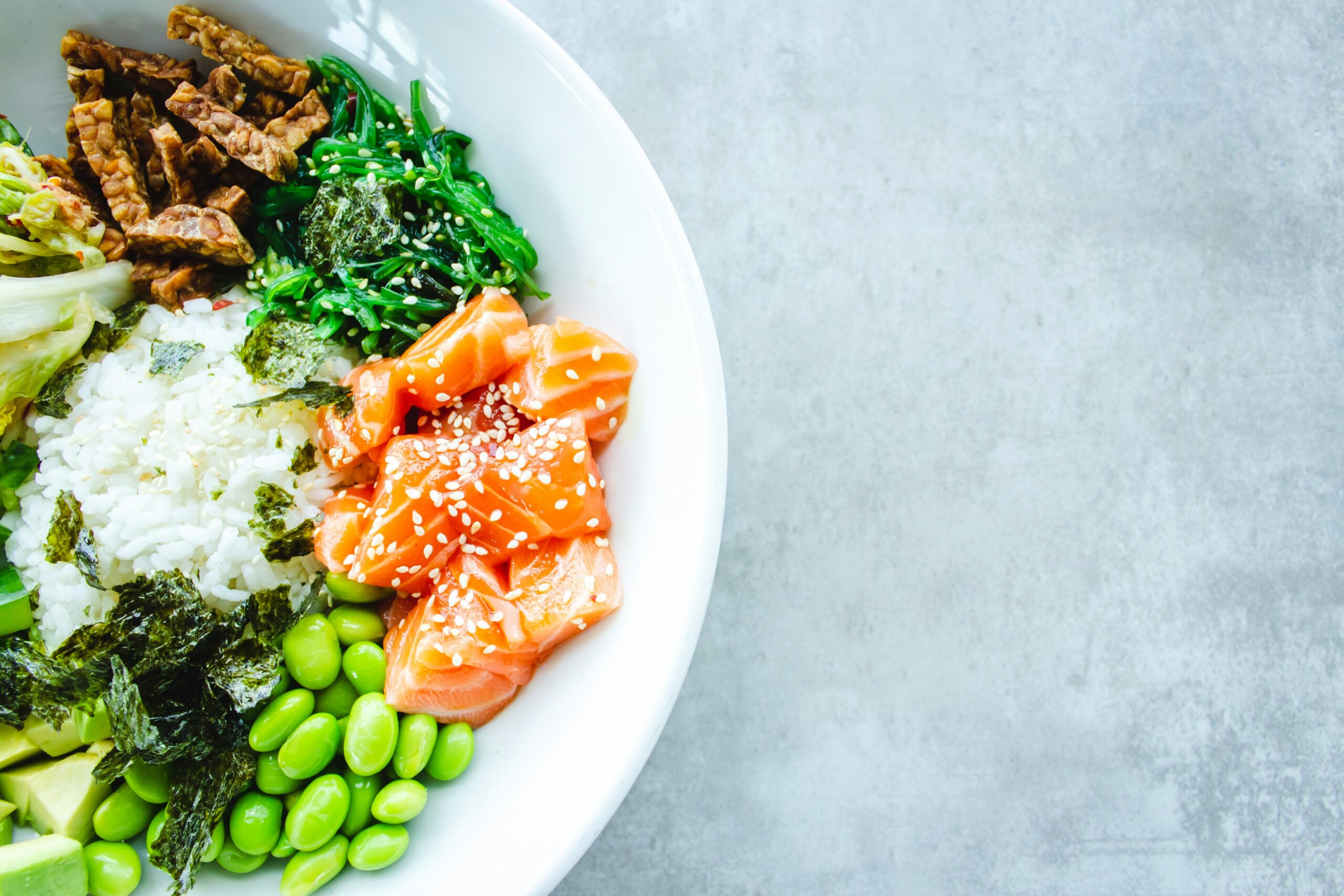
        Vegan or mostly plant-based? We’re living in the golden age for plant-based options.

        • Lentils, beans, and chickpeas
        • Tofu, tempeh, and edamame
        • Quinoa, buckwheat, and other high-protein grains
        • Nuts, seeds, and nut butters
        • Plant-based protein powders (pea, hemp, soy, etc.)

        These have complete amino acid profiles, excellent digestibility, and keep you full. If you’re plant-based, it’s totally possible to hit protein goals—it just requires more variety and often larger quantities to meet amino acid needs.

        Supplements can help when protein needs are high or time is tight. We recommend third-party tested powders with minimal ingredients and no added junk. Your Clay coach or clinician can help you find one that fits your goals and preferences.

        How We Use Protein at Clay

        Protein isn’t just a nutrition tip—it’s a strategic tool we use across:

        • Body recomposition and fat loss
        • Strength and athletic training
        • Metabolic and hormonal optimization
        • Long-term health and healthy aging

        It’s the one macronutrient I ask nearly every client to track—because it impacts nearly every system we care about.

        Want to level up your protein game?

        Reach out to Clay Health & Care. We live and breathe this stuff. We’ll help you identify exactly how much protein you need, when to eat it, and the best foods and strategies to make it stick—without tracking forever or turning meals into a math problem.

        Author

        Written by Andrew Browning, Coaching Director @ Clay Health & Care
        Andrew Browning is a performance coach and educator with nearly two decades of experience in training, teaching, and behavior change. As Clay’s Coaching Director, he combines deep knowledge in exercise physiology, metabolic health, and recovery with a passion for helping people build sustainable habits that fuel performance at every leve


        Reviewed by Maggie Riemenschneider, PA-C, MSPAP @ Clay Health & Care
        Maggie Riemenschneider is a nurse practitioner with a holistic and personalized approach to care. Drawing on her background in primary care, functional medicine, and women’s health, she helps patients uncover the root causes of their symptoms and empowers them to take charge of their long-term health.

        Sources

        1. 🎙️ Podcast: Why Your Workout Isn’t Working for You – Dr. Casey Means & Dr. Gabrielle Lyon
        2. 🎙️ Podcast: Metabolic Health with Dr. Casey Means on Losing Weight to Gain Control by Gwen S. Alexander
        3. 📄 Article: How Much Protein Should I Eat to Lose Weight? – Verywell Health
        4. 🎙️ Podcast: Dr. Gabrielle Lyon: How to Exercise & Eat for Optimal Health & Longevity – Huberman Lab