
The 2025–2030 Dietary Guidelines for Americans represent what federal leaders describe as “the most significant reset of federal nutrition policy in our nation’s history,” with a simple directive: eat real food.
If that phrase sounds familiar, it’s because it’s no longer confined to policy documents. Even Mike Tyson’s recent Super Bowl campaign carried the same blunt directive: eat real food.
There’s a certain irony in that message landing on Super Bowl Sunday — a day when junk food is not just consumed in droves, but glorified. The campaign was likely designed to do exactly that: stop viewers mid-bite and force a moment of awareness. When “eat real food” interrupts a cultural ritual built around pure excess, it reframes the occasion. Indulgence may have its place — but it was never meant to be regular practice. The message wasn’t anti–Super Bowl. It was a reminder that gorging is an event behavior, not a lifestyle.
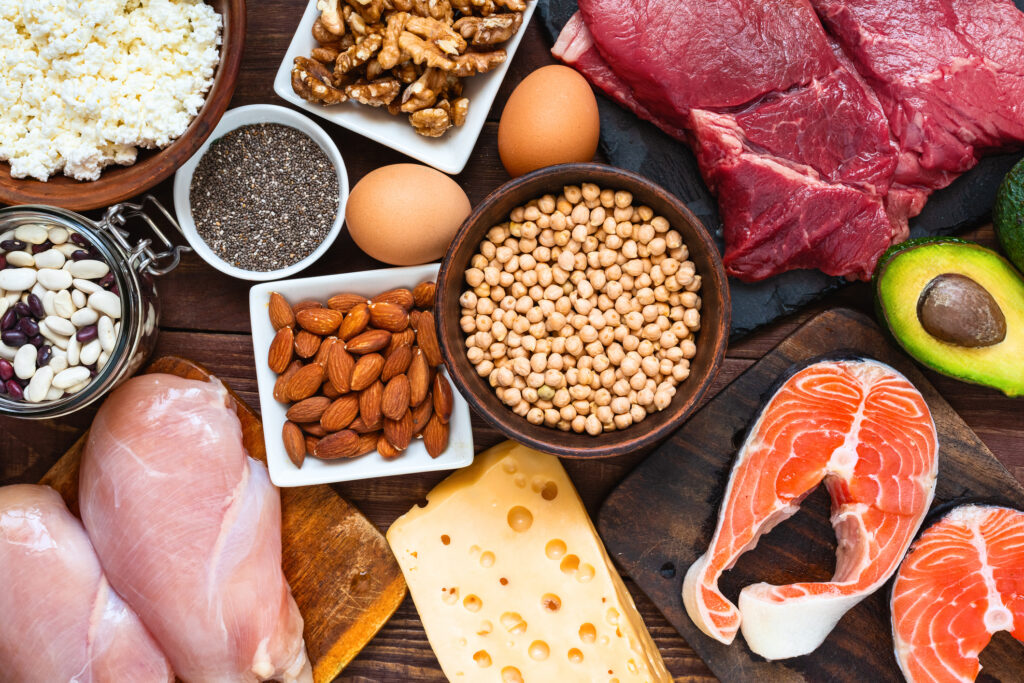
Regarding the new Dietary Guidelines, protein, full-fat dairy, vegetables, fruits, healthy fats, and whole grains are back at the center. Highly processed foods, refined carbohydrates, added sugars, and artificial additives are pushed to the margins.
This is a long-overdue correction. But at Clay, we don’t stop at agreement. We ask a more important question:
How do we translate broad national guidance into precision, longevity-focused outcomes for real people?
This article breaks down into three sections:
➤ What changed in the new food pyramid — and where it overlaps with Clay’s model
➤ Four Clay points of view shaping how we apply it in practice
➤ What this means for you — materially, practically, and immediately
The Big Picture: What Changed — and Where Clay Aligns
The Previous Food Pyramid
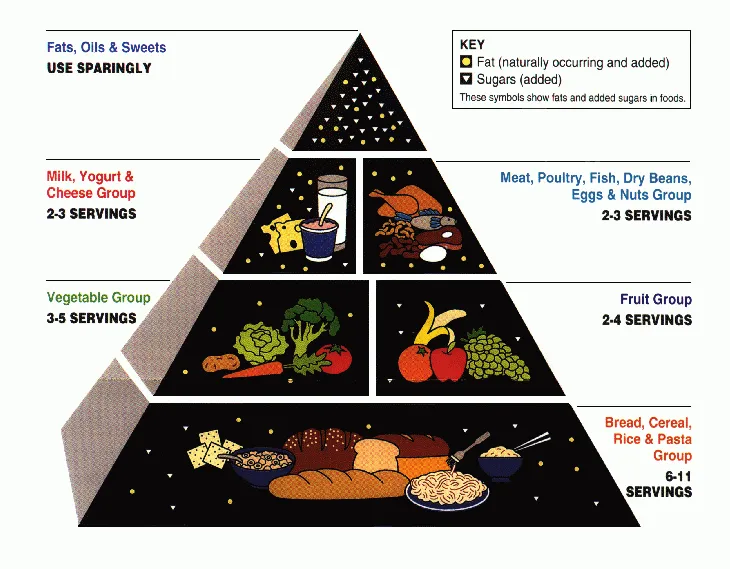
For decades, the dominant visual hierarchy placed grains — particularly refined grains — at the base. Fat was minimized. Protein was often secondary. Low-fat messaging dominated policy, packaging, and public perception.
The result? An era of:
- Highly processed, grain-heavy convenience foods
- Low-fat, high-sugar substitutes
- Increased reliance on packaged and shelf-stable products
- Escalating rates of metabolic disease
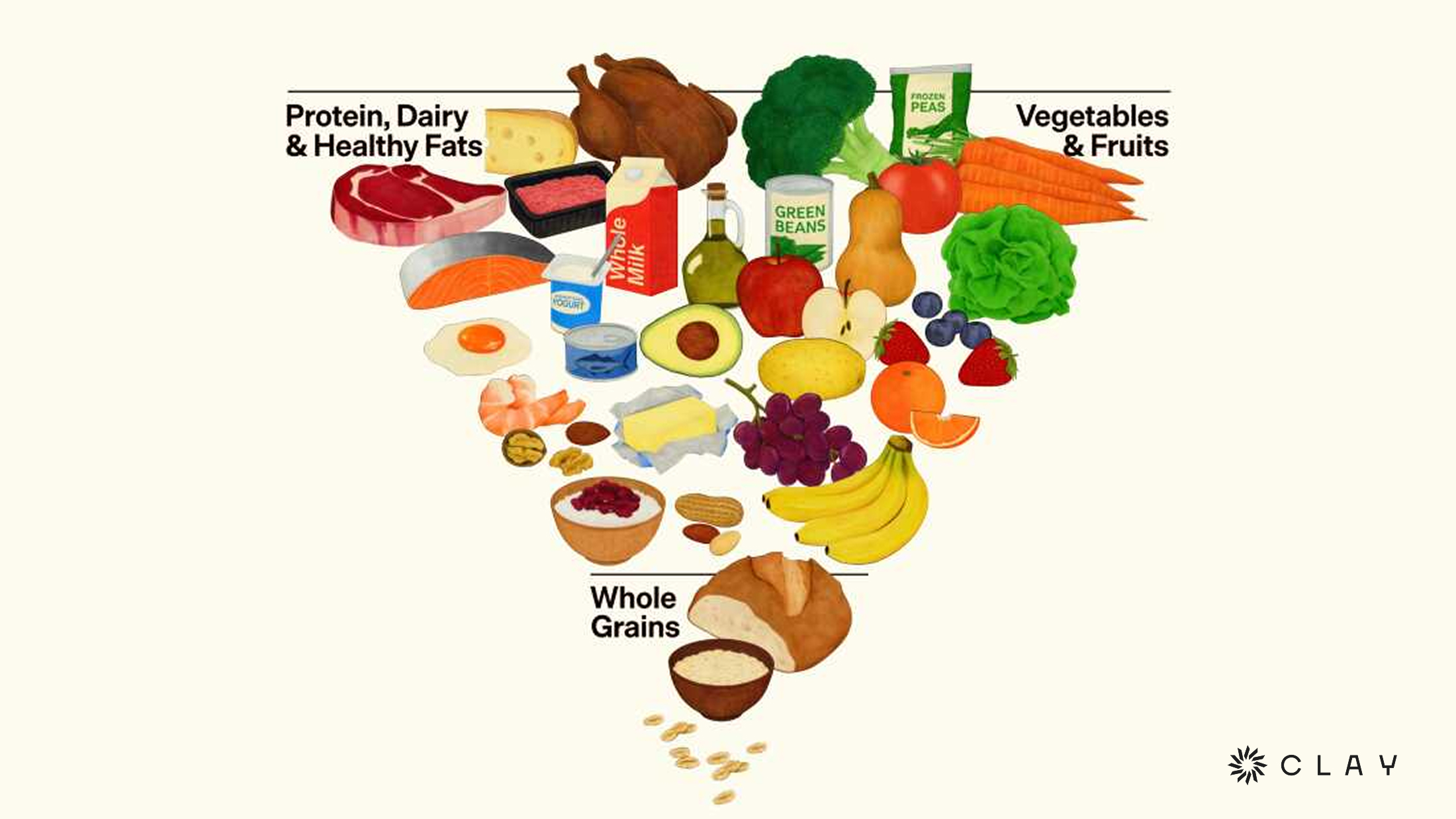
The 2025–2030 Dietary Guidelines Pyramid
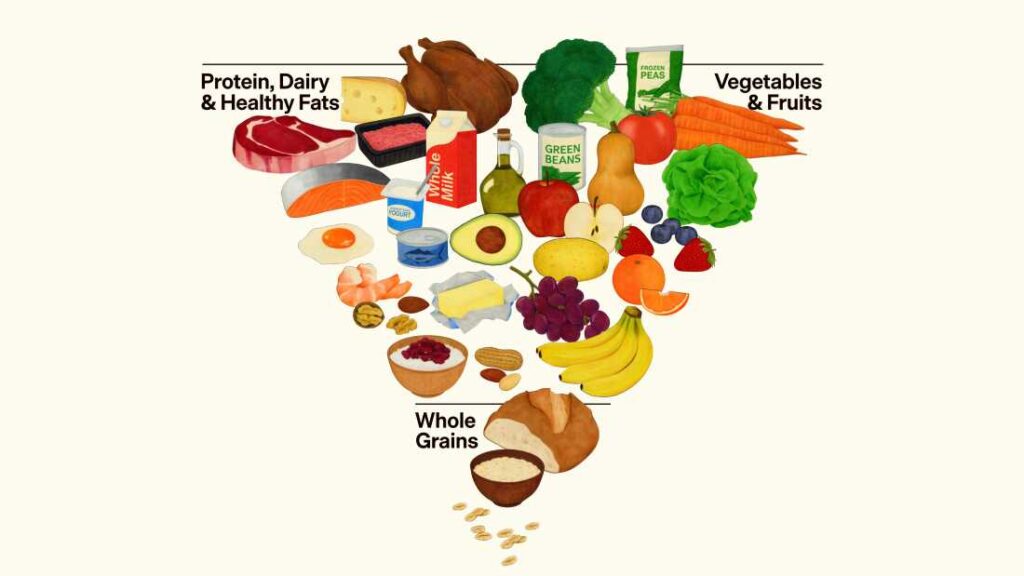
The updated guidance represents a meaningful shift .
The new visual emphasizes:
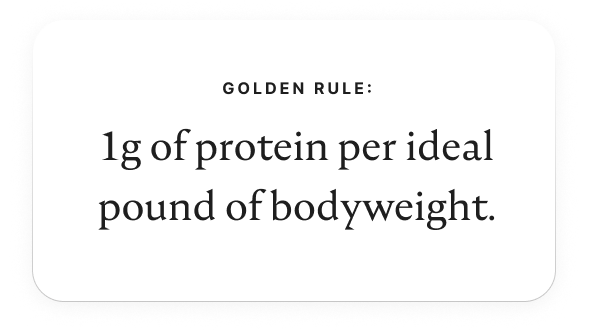
- High-quality protein at every meal (1.2–1.6 g/kg/day)
- Full-fat dairy without added sugars
- Healthy fats from olive oil, nuts, seeds, seafood, eggs
- Whole vegetables and fruits consumed throughout the day
- Fiber-rich whole grains, while sharply reducing refined carbohydrates
- A direct warning against ultra-processed foods, added sugars, artificial sweeteners, and chemical additives
The messaging is clear:
➤ Nutrient density over industrial convenience.
➤ Whole foods over manufactured food-like products.
The updated pyramid prioritizes:
- High-quality protein at every meal (1.2–1.6 g/kg/day)
- Full-fat dairy without added sugars
- Healthy fats from olive oil, nuts, seeds, seafood, eggs
- Whole vegetables and fruits throughout the day
- Fiber-rich whole grains while reducing refined carbohydrates
- Sharp reductions in highly processed foods, added sugars, artificial sweeteners, and chemical additives
At Clay, this direction aligns strongly with our philosophy. But alignment is not equivalence.
The federal guidelines must serve 330 million people. Clay serves individuals. Where the government offers patterns, Clay offers personalization.
Where the pyramid offers food groups, Clay integrates:
- Advanced biomarker intelligence
- Body composition analysis
- Hormone panels
- Metabolic flexibility testing
- Longitudinal trend tracking
Because nutrition is not a static recommendation. It is a lever inside a living system.
Four Perspectives from Clay

Dr. Allen Gorman, Medical Director ➤ Read Bio
The updated guidelines recommend 1.2–1.6 grams of protein per kilogram of bodyweight per day.
That is appropriate.
In clinical practice, the majority of adults I evaluate are under-consuming protein — often significantly. The consequences are predictable:
- Progressive lean mass loss
- Rising fasting insulin
- Elevated triglycerides
- Increasing visceral adiposity
- Declining metabolic flexibility
Muscle is not aesthetic tissue. It is a metabolic organ.
It governs glucose disposal, insulin sensitivity, inflammatory tone, and long-term functional independence. When muscle declines, metabolic disease accelerates.
The updated emphasis on whole-food protein and reduced refined carbohydrates aligns with what we already implement inside Clay. But recommendations are not outcomes. We quantify.
At Clay, protein targets are determined by:
- Lean body mass
- Training load
- Age
- Hormonal status
- Cardiometabolic risk markers
Carbohydrates are not eliminated. They are contextualized. In insulin-resistant individuals, refined carbohydrates worsen hepatic fat accumulation and glycemic volatility. In high-performing, metabolically healthy individuals, targeted carbohydrate intake supports output and recovery.
Healthy fats — olive oil, seafood, eggs, full-fat dairy — support endocrine function and cellular integrity. Chronic low-fat intake is frequently associated with hormonal suppression and compensatory overconsumption of refined carbohydrates.
The difference between national guidance and precision medicine is this: We do not assume. We measure. Biomarkers. Body composition. Longitudinal trends.
Nutrition is not a philosophy. It is physiology.

Maggie Riemenschneider, Physician Assistant ➤ Read Bio
Female metabolism operates under distinct hormonal influences. And I see the impact of that every day.
The updated guidelines emphasize protein, whole foods, and reduction of ultra-processed products . For women in their 30s, 40s, and 50s, that shift is not just helpful — it’s protective.
As estrogen begins to fluctuate and decline, women commonly experience:
- Increased central fat storage
- Lower resting metabolic rate
- Greater difficulty preserving muscle
- More pronounced blood sugar swings
- Fatigue that feels disproportionate
Many of the women I work with tell me the same thing: “I’m eating less than I used to — and gaining weight.”
Often, the issue is not calories. It’s composition.
The protein recommendation in the new pyramid is especially important during perimenopause. Muscle loss accelerates in this window. If protein intake and resistance training are insufficient, metabolic slowdown follows.
The GLP-1 conversation adds another layer.
GLP-1 medications can be effective tools. But I’ve also seen women lose significant lean mass when protein intake and strength training are not structured alongside them.
Weight loss without muscle preservation is not long-term metabolic health.
At Clay, when GLP-1 therapies are used, we pair them with:
- High-protein nutrition structure
- Strength training accountability
- Micronutrient support
- Hormone evaluation
- Body composition monitoring
Women deserve more than “eat less.” They deserve physiology-aware care.

Andrew Browning, Coaching Director ➤ Read Bio
I love that the new guidelines emphasize protein, fiber, healthy fats, and real food.
But most people already “know” they should eat better. Knowledge is rarely the limiting factor. Behavior is. When I work with members, we don’t start with macro debates. We start with execution principles.
Small, repeatable anchors:
- Protein at every meal
- Fiber at every meal
- Carbohydrates around training — not randomly
- Fats chosen intentionally
- Meals eaten without screens
It sounds simple but it isn’t easy. Consistency compounds. The updated pyramid provides the nutritional blueprint. But behavior change requires:
- Environmental design
- Accountability
- Feedback loops
- Habit stacking
- Identity reinforcement
Clay members understand that nutrition directly influences:
- Strength output
- Cognitive clarity
- Recovery speed
- Sleep depth
When this a-ha! moment is realized, adherence improves. Because now it’s not “healthy eating.” It’s performance fueling.
At Clay, education meets structure. And structure drives results.

Joel Nelson, Co-owner & CEO
The headline here is simple: eat real food . Single-ingredient foods. Protein. Vegetables. Fruit. Whole grains. Healthy fats.
That shouldn’t feel radical — but in the context of the past 40 years, it is. For decades, we were told to fear fat and prioritize low-cost, highly processed convenience foods. The outcome? A predictable explosion of metabolic disease.
Nearly 90% of healthcare spending in this country goes toward chronic disease. That’s not genetics. That’s environment.
The updated pyramid shifts the base back toward protein, healthy fats, and fiber-rich whole foods . That aligns directly with how we think at Clay.
From a macro perspective, the fundamentals are clear:
- Protein supports lean mass and metabolic rate
- Fiber supports gut health and glycemic control
- Healthy fats support hormonal balance
- Refined carbohydrates destabilize blood sugar
In the longevity space, this isn’t controversial. It’s foundational. What excites me isn’t that the pyramid changed. It’s that the narrative is catching up to what performance medicine and longevity leaders have been discussing for years.
Real food is not a diet trend. It’s structural reform. At Clay, we take that structure and add precision — testing, tracking, iteration — because broad advice becomes powerful when it’s personal.
What This Means for You
The new food pyramid is a reset toward nutrient density and simplicity. At Clay, we see it as a foundation — not a finish line.

Here’s what you can do today to align with both the new guidance and Clay’s philosophy:
1. Anchor Every Meal in Protein
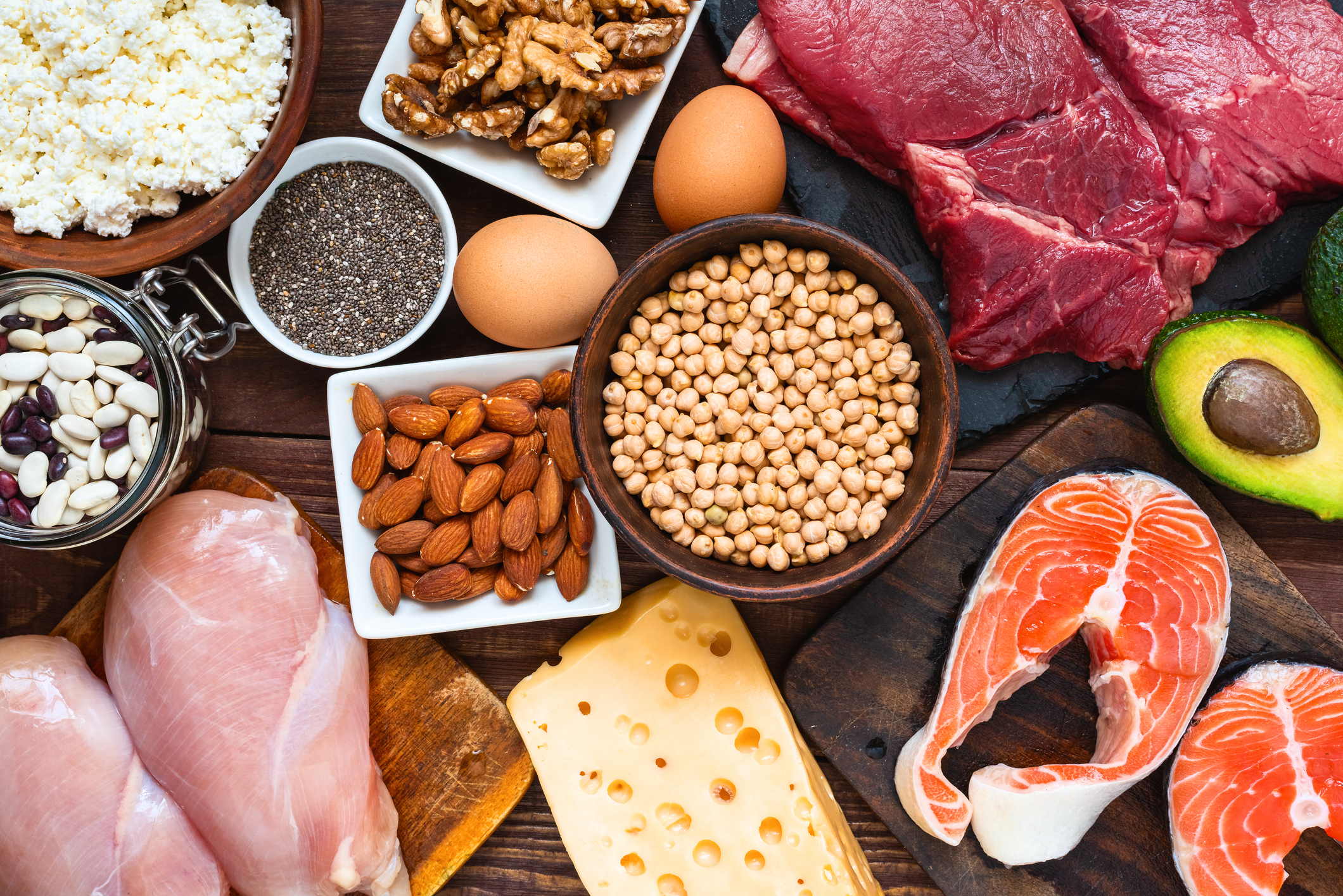
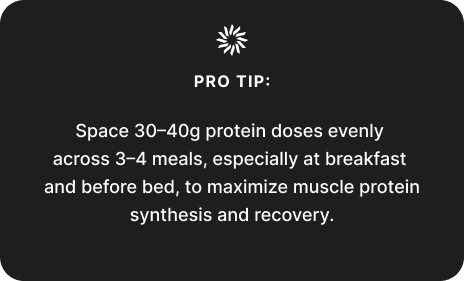
Aim for 30–50g per meal depending on body size and activity level. Prioritize eggs, seafood, poultry, red meat, legumes, and full-fat dairy.
2. Remove Ultra-Processed Foods from Daily Rotation
Limit foods high in added sugars, refined carbs, artificial sweeteners, and additives. Single-ingredient foods should dominate your grocery cart.
3. Preserve Muscle Aggressively
Especially if you are:
- Over 35
- Female entering perimenopause
- Using GLP-1 medications
- Experiencing fatigue or metabolic slowdown
Lift weights. Eat protein. Track body composition.
4. Stabilize Blood Sugar
Build meals around:
- Protein (head on over to Clay’s Daily Protein Guide and then download our indispensable Protein Cheat Sheet)
- Fiber-rich vegetables
- Healthy fats
Reduce random snacking and liquid sugars .
5. Measure What Matters
The pyramid provides direction. Longevity requires data. Continuously track:
- Fasting insulin
- Triglycerides
- ApoB
- hs-CRP
- Lean mass
- Visceral fat
At Clay, every member begins with advanced biomarker testing and body composition analysis — establishing a baseline across metabolic, hormonal, inflammatory, and nutrient systems before building a Personalized Longevity Plan .
Because health is not about chasing trends. It is about building leverage over decades.

Ready to Move Beyond Guidelines?
The new food pyramid offers direction. But direction without measurement is guesswork. Clay’s Core Assessment is where your health becomes clear.
Through advanced biomarker testing, body composition analysis, and a structured clinical review, we establish your baseline across metabolic, hormonal, inflammatory, and nutrient systems — and build a personalized longevity strategy around it.
This isn’t a diet plan. It’s the foundation of your healthspan advantage.
Author
Written by Andrew Browning, Coaching Director @ Clay Health & Care
Andrew Browning is a performance coach and educator with nearly two decades of experience in training, teaching, and behavior change. As Clay’s Coaching Director, he combines deep knowledge in exercise physiology, metabolic health, and recovery with a passion for helping people build sustainable habits that fuel performance at every level.
Reviewed by Dr. Allen Gorman, Medical Director @ Clay Health & Care
Dr. Allen Gorman is a physician-scientist with a focus on metabolism, aging, and cellular repair. His clinical and research work spans two decades, with a passion for translating complex science into actionable health strategies.