
At Clay, we teach that true, sustainable health doesn’t start with extremes, restrictions, or short-term fixes. It starts with foundational behaviors — the daily inputs that quietly shape your energy, metabolism, body composition, and long-term health.
We call these behaviors The Foundational Five.
As Coaching Director, my role is to help Clay Members build confidence and consistency with these five principles because they are:
Proven
Sustainable over the long term
Fully within your control
When these foundations are in place, everything else — fat loss, performance, recovery, and longevity — becomes easier to guide and sustain.
Below, you’ll find a brief overview of each element of the Foundational Five, along with links to deeper guides you can use to start (or reinforce) your habits.
Protein
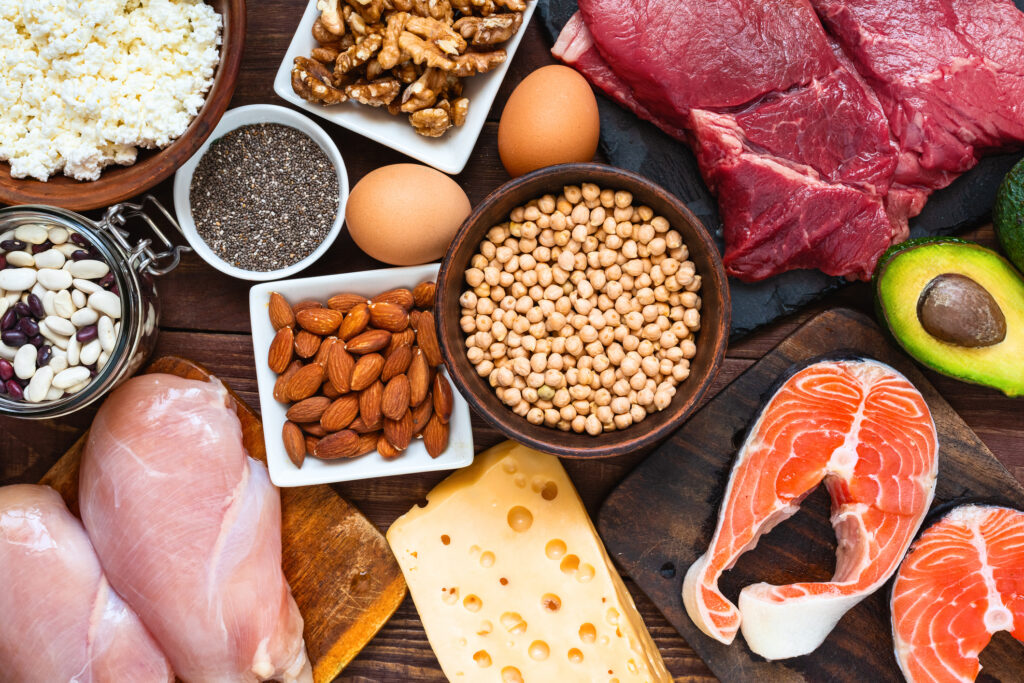
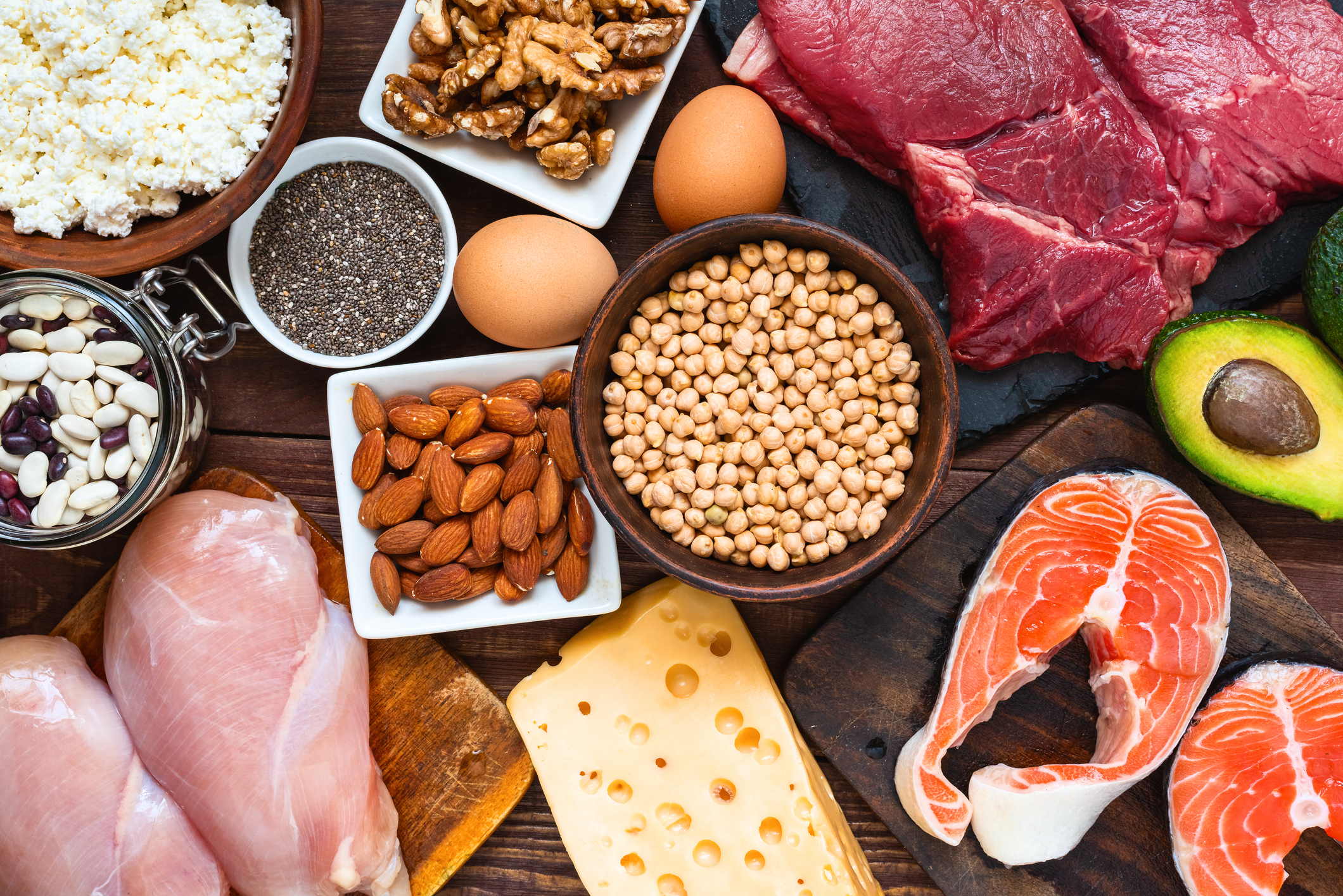
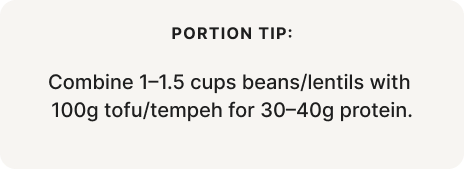
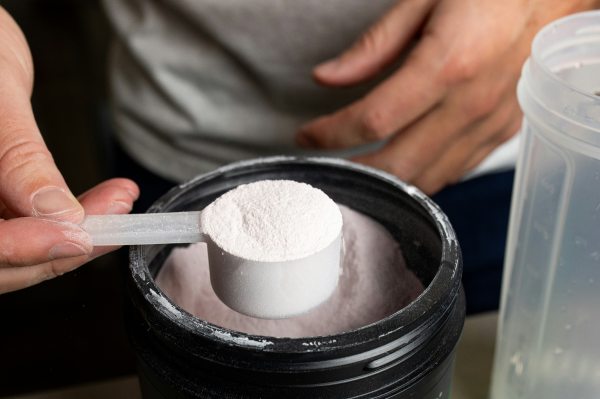
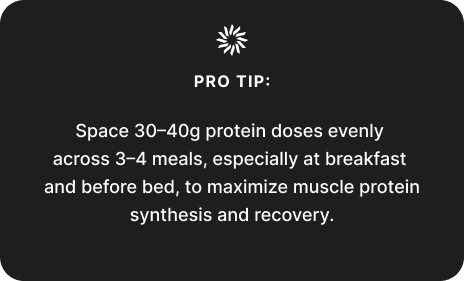
Why it matters: Protein is essential for maintaining and building muscle, supporting metabolism, improving recovery, and preserving strength as you age. Consistent protein intake is one of the most effective tools we have for healthy weight loss and long-term resilience.
Rather than tracking obsessively, we coach members to understand simple portions and high-quality sources they can rely on daily.
Why it matters: Daily movement is one of the most overlooked drivers of metabolic health. Steps improve insulin sensitivity, support fat loss, enhance recovery, and reinforce consistency without taxing the nervous system.
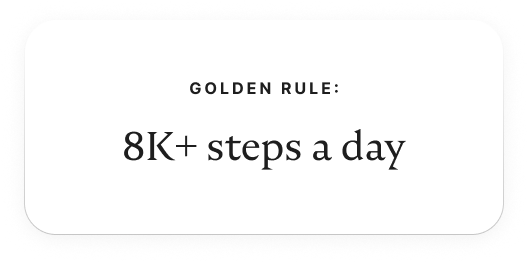
At Clay, we emphasize 8,000+ steps per day as a realistic, powerful baseline that supports health without burnout.
Why it matters: Hydration directly impacts energy, digestion, performance, and metabolic function. Many symptoms people attribute to poor sleep or low energy are simply signs of chronic under-hydration.
We focus on simple, repeatable hydration habits that support daily function — not extremes.
Why it matters: Sleep is the foundation of recovery, hormone regulation, fat loss, and mental clarity. Without quality sleep, progress in training, nutrition, and body composition stalls.
Rather than perfection, we coach members to optimize sleep environment and consistency, which delivers the biggest return.
Why it matters: Metabolic Recovery — including strategic fasting windows — gives your body time to digest, reset, and restore energy systems. Done correctly, it supports metabolic flexibility, gut health, and cellular repair.
This is not about restriction. It’s about timing, consistency, and recovery.
Written by Andrew Browning, Coaching Director @ Clay Health & Care Andrew Browning is a performance coach and educator with nearly two decades of experience in training, teaching, and behavior change. As Clay’s Coaching Director, he combines deep knowledge in exercise physiology, metabolic health, and recovery with a passion for helping people build sustainable habits that fuel performance at every level.
Reviewed by Dr. Allen Gorman, Medical Director @ Clay Health & Care Dr. Allen Gorman is a physician-scientist with a focus on metabolism, aging, and cellular repair. His clinical and research work spans two decades, with a passion for translating complex science into actionable health strategies.
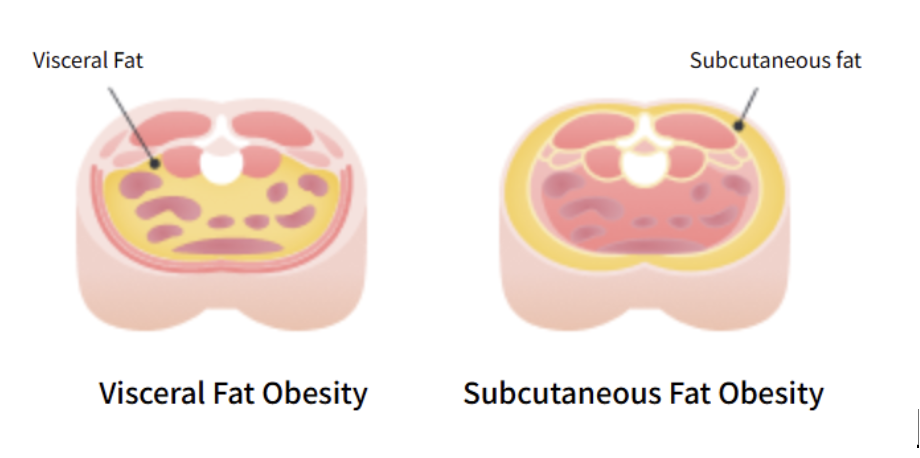
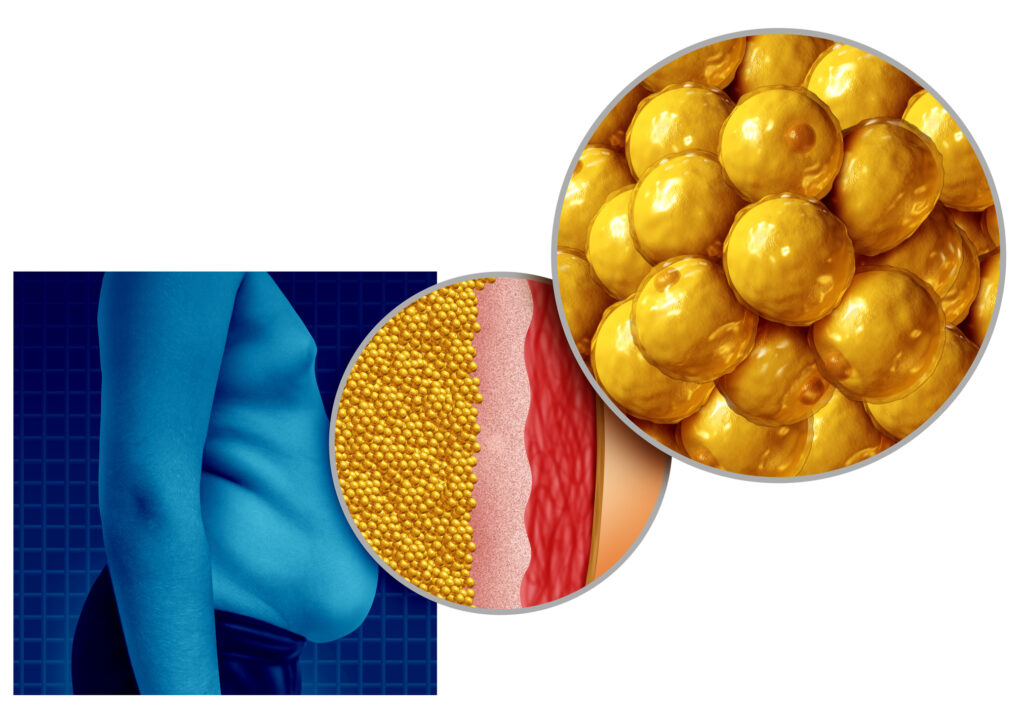
Not all body fat is created equal. While some fat serves essential functions, visceral fat is different — it’s metabolically active and closely linked to many of the chronic conditions we aim to prevent through proactive care.
At Clay, visceral fat is a key data point we monitor because it often tells a more accurate story about health risk than the scale alone. Even individuals who appear lean or fall within a “normal” BMI can carry excess visceral fat. This guide is designed to help Clay members understand what visceral fat is, how it impacts long-term health, and which lifestyle strategies are proven to reduce it in a sustainable way.
What Is Visceral Fat?
Visceral fat (visceral adipose tissue, VAT) is the fat stored deep inside the abdominal cavity surrounding key organs (liver, pancreas, intestines, and kidneys). It is metabolically active, releasing hormones and inflammatory molecules that affect whole-body physiology. This is fundamentally different from subcutaneous fat, which sits under the skin and is relatively less harmful.
In a snapshot:
Location: Surrounds internal organs in the abdomen
Activity: Secretes adipokines, cytokines, and free fatty acids that interact with metabolic and immune pathways
Health impact: Strongly linked to cardiometabolic disease, cognitive decline, and systemic inflammation
The Harmful Effects of Excess Visceral Fat
1. Metabolic Dysfunction
Visceral fat is tightly linked to insulin resistance, dysregulated glucose metabolism, and elevated circulating fats (hallmarks of metabolic syndrome). It contributes to pro-inflammatory states that drive metabolic disease progression.
Studies show that visceral fat predicts metabolic syndrome and cardiometabolic risk independent of BMI, meaning even “normal weight” individuals can be at risk if VAT is high.
2. Cardiovascular Risk
Visceral adiposity is associated with:
Atherosclerosis and arterial stiffness
Hypertension
Elevated triglycerides and dyslipidemia
Increased risk of myocardial infarction and cardiovascular mortality
3. Cognitive Impacts and Brain Aging
Emerging studies associate higher visceral fat with reduced cognitive performance, including executive function and processing speed. These associations persist even after adjusting for other risk factors, suggesting a direct link between VAT and brain health.
Mechanistically, visceral-associated systemic inflammation and insulin resistance may impair cerebral blood flow and increase amyloid deposition (a feature of Alzheimer’s disease).
Primary Causes of Visceral Fat Accumulation
Visceral fat accumulation does not arise from a single factor, it results from an interplay of lifestyle and physiological drivers:
Dietary factors:
High intake of added sugars, refined carbohydrates, and saturated fats
Frequent alcohol consumption
Ultra-processed foods correlate with increased VAT deposition
Lifestyle and physiological factors:
Sedentary behavior and lack of physical activity
Chronic stress and elevated cortisol
Poor sleep patterns
Hormonal influences
Visceral fat increases cardiovascular risk by driving inflammation, insulin resistance, and arterial dysfunction.
Best Evidence-Based Strategies to Reduce Visceral Fat
1. Nutrition: Protein + Fiber Focus
A diet higher in lean protein and fiber supports satiety, improves glucose regulation, and enhances metabolic efficiency (key factors in reducing visceral fat). High-quality diets rich in vegetables, legumes, and lean protein sources are inversely associated with VAT.
Aim for moderate protein with every meal
Prioritize whole foods over processed foods
Include high-fiber options (e.g., beans, fruits, vegetables)
2. Exercise: Cardio + Resistance Training
Regular physical activity is one of the most effective ways to reduce visceral fat:
Aerobic exercise (moderate to vigorous) improves fat oxidation
Resistance training helps preserve lean mass while enhancing metabolic rate
Combined approaches have stronger effects on VAT reduction than either alone
Guidelines:
150–300 minutes of moderate or 75–150 minutes of vigorous activity per week
Incorporate strength training 2–3 days/week
3. Sleep: 7–8+ Hours Is Protective
Shorter sleep durations are significantly associated with increased visceral fat independent of other factors. Ideally, 7–8 hours of quality sleep per night supports hormonal balance and metabolic regulation.
4. Manage Stress & Cortisol
Chronic stress promotes visceral fat accumulation via prolonged HPA axis activation. In simple terms, this means the body stays in “stress mode” and continues releasing higher levels of cortisol, the primary stress hormone. Cortisol raises blood sugar to provide quick energy, but when it remains elevated for long periods, extra fuel is more likely to be stored as fat, especially around the abdominal organs. Reducing stress through structured methods (e.g., mindfulness, therapy, active recovery) can attenuate this signal and support VAT reduction.
5. Hydration & Overall Recovery
Proper hydration, alongside sleep and recovery practices, supports metabolic efficiency and reduces systemic inflammation, both important for adipose tissue health. Staying well-hydrated doesn’t directly “burn” visceral fat, but it supports blood sugar control, stress regulation, and appetite management, all of which influence where and how the body stores fat.
Fat Types — Subcutaneous vs. Visceral
Checklist: Lifestyle Targets for Low Visceral Fat
Balanced diet: protein + fiber
Regular exercise: cardio + strength training
Quality sleep (≥7 hrs/night)
Stress management
Limit alcohol and added sugars
Stay hydrated
Bottom Line
Visceral fat is not just “belly fat” but an active endocrine organ associated with metabolic, cardiovascular, and cognitive risks. It can develop even when weight and BMI look normal, which is why assessing body composition, not just scale weight, matters.
The good news? Lifestyle modifications, like our Foundational Five (Protein, Sleep, Hydration, Steps, Fasting) are proven and evidence-based ways to reduce visceral fat and improve health outcomes. Consistency over time trumps short-lived interventions.
Written by Andrew Browning, Coaching Director @ Clay Health & Care Andrew Browning is a performance coach and educator with nearly two decades of experience in training, teaching, and behavior change. As Clay’s Coaching Director, he combines deep knowledge in exercise physiology, metabolic health, and recovery with a passion for helping people build sustainable habits that fuel performance at every level.
When most people step on a traditional scale, they see a single number: total body weight. While simple, this measurement leaves out crucial details about what’s really happening inside the body.
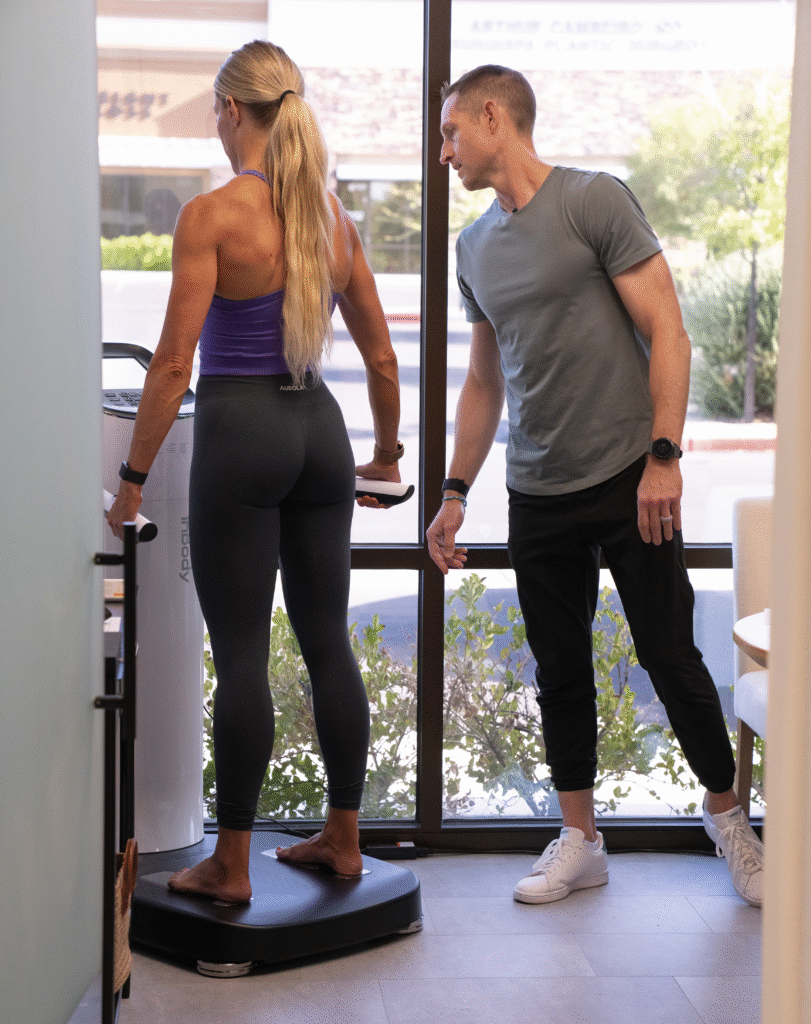
At Clay Health & Care, we take a more advanced approach. Every member has access to a monthly Body Composition Scan (InBody), which is a medical-grade tool that analyzes full-body composition, not just weight. This measurement is more than just data collection; it transforms how we design, track, and adjust each member’s care plan.
Why a scale falls short
A standard scale measures only weight, which can be misleading:
No distinction between fat and muscle → Losing muscle can show up as “weight loss,” even though it’s detrimental for long-term health.
Doesn’t reflect hydration status → Fluctuations in water retention can make it look like progress (or regression) when nothing meaningful has changed.
Masks hidden risks → Two people with the same weight may have completely different health profiles.
Example:
Person
Weight
Fat %
Muscle Mass
Health Risk
A
180 lbs
20%
80 lbs
Low
B
180 lbs
35%
65 lbs
High
What a Body Composition scan reveals
Unlike a scale, InBody provides 360-degree snapshot of your body:
Skeletal Muscle Mass (SMM): The engine for metabolism, strength, and longevity.
Body Fat Percentage: More predictive of health risk than weight alone.
Visceral Fat Levels: Identifies dangerous fat around organs linked to inflammation and disease.
Segmental Lean Analysis: Highlights muscle imbalances (right vs. left side, upper vs. lower body).
Basal Metabolic Rate (BMR): Shows how many calories your body burns at rest.
This data allows us to answer the real questions:
Are you losing fat or muscle?
Are you building metabolic health or just chasing a smaller number on the scale?
Precision Adjustments: Nutrition, exercise, supplement, and recovery plans can be fine-tuned in real time.
Trend Tracking: Identifies patterns over time instead of chasing day-to-day fluctuations.
Motivation: Seeing muscle growth or fat reduction, sometimes invisible on a regular scale, keeps members motivated.
One of my favorite parts of coaching: sitting down each month, reviewing Body Composition data, and turning numbers into clear next steps that actually fit a client’s life.
How our approach is different
Personalized Plans: Each member’s training, nutrition, and recovery strategy is built around their unique body composition.
Data-Driven Adjustments: We don’t guess, we measure and adapt.
Longevity Focus: Protecting muscle and reducing visceral fat directly supports healthspan and independence as members age.
Why this matters in the age of GLP-1 Medications
With the rise of GLP-1 medications for weight management, tracking body composition is more important than ever. These drugs can lead to rapid weight loss, but without monitoring, a significant portion of that loss can come from skeletal muscle mass (SMM). Protecting and preserving SMM is critical—not only for metabolism, but also for strength, mobility, and long-term health. Monthly InBody scans ensure that members using GLP-1 medications are losing fat in a healthy way while maintaining the muscle that supports healthy aging and overall function.
The Takeaway
Relying on weight alone is like judging a book by its cover, it misses the real story contained within. At Clay Health & Care, InBody scanning transforms your plan from a generic program into a precise roadmap for long-term health and performance.
That’s why we provide this tool as a member benefit and accountability measure, ensuring every plan evolves alongside your body’s actual needs.
Next time you think about progress, ask yourself: Am I just chasing a smaller number, or am I building a stronger, healthier future?
Written by Andrew Browning, Coaching Director @ Clay Health & Care Andrew Browning is a performance coach and educator with nearly two decades of experience in training, teaching, and behavior change. As Clay’s Coaching Director, he combines deep knowledge in exercise physiology, metabolic health, and recovery with a passion for helping people build sustainable habits that fuel performance at every level.
Maggie Riemenschneider is a nurse practitioner with a holistic and personalized approach to care. Drawing on her background in primary care, functional medicine, and women’s health, she helps patients uncover the root causes of their symptoms and empowers them to take charge of their long-term health.
Building muscle through resistance training is not just about aesthetics or athleticism—it’s about extending your lifespan and improving the quality of your years. As experts like Dr. Gabrielle Lyon and Dr. Casey Means emphasize, skeletal muscle plays a foundational role in metabolic health, disease prevention, and maintaining independence as we age.
Let’s explore how and why muscle is one of the most underutilized yet powerful tools in your health arsenal.
Muscle: The Organ of Longevity
Skeletal muscle is the largest organ in the body and a metabolic powerhouse. Dr. Gabrielle Lyon, founder of Muscle-Centric Medicine®, refers to it as the “organ of longevity”—and for good reason.
Here’s what muscle does behind the scenes:
Burns calories at rest, boosting your metabolism and aiding fat loss.
Improves insulin sensitivity, helping regulate blood sugar and lowering the risk of type 2 diabetes.
Supports weight management by increasing your resting metabolic rate.
🔬 Science Spotlight: A 2021 study in Frontiers in Endocrinology found resistance training improves insulin sensitivity, a major protective factor against metabolic disease.
Muscle Mass = Life Span
Higher levels of muscle mass are strongly associated with lower all-cause mortality rates. In other words: people with more muscle live longer—and better.
As we age, we naturally lose muscle through a process called sarcopenia, which leads to frailty, reduced mobility, and higher risk of injury. Dr. Lyon introduces the idea of “muscle span”—the length of time you retain enough muscle strength to live independently and actively.
Building and maintaining muscle extends your muscle span, enabling you to age with strength, grace, and freedom.
📚Frontiers in Physiologyfound that individuals with higher muscle mass had significantly lower mortality rates, regardless of body fat percentage.
Clay’s Health Optimization Assessment tracks muscle mass and muscle span—two of the most important indicators of long-term strength, resilience, and longevity.
Muscle Is a Metabolic Engine
Dr. Casey Means, Stanford-trained physician and expert in metabolic health, reinforces muscle’s importance in optimizing body composition and vitality. In her conversations with Dr. Lyon, she underlines the synergy between diet, movement, and muscle health as keys to improving long-term metabolic outcomes.
Weekly muscle-building supports:
Resting metabolic rate (so you burn more calories 24/7)
Blood sugar stability (by acting as a glucose sink)
Physical resilience (better balance, strength, and fall prevention)
Emotional strength (more confidence, energy, and grit)
Protein: The Daily Lever You Can Pull
Muscle growth doesn’t happen without intentional inputs. With age comes anabolic resistance, meaning your body responds less efficiently to strength training and protein intake
Dr. Lyon’s recommendation:
1.6–2.2 grams of protein per kilogram of body weight per day
Prioritize high-quality protein sources with every meal
Pair with consistent resistance training to counteract aging’s effects
“Only 24% of people meet exercise recommendations. But 100% of us eat every day. That makes protein a daily opportunity to build muscle.”
—Dr. Gabrielle Lyon
Five Reasons Muscle Must Be a Weekly Focus
Fat Loss & Weight Management Muscle increases caloric burn, even at rest.
Metabolic Protection Resistance training improves insulin sensitivity and blood sugar control.
Injury & Fall Prevention Strong muscles support balance, coordination, and bone health.
Chronic Disease Shield More muscle = reduced risk for obesity, cardiovascular disease, and diabetes.
Confidence & Motivation Strength training improves energy, mood, and psychological resilience.
It’s Never Too Late to Start
Whether you’re 25 or 75, resistance training can transform your health trajectory. Research shows that even older adults can gain muscle and strength with consistent, properly dosed training.
Getting started doesn’t require a gym or hours a day:
Bodyweight exercises
Dumbbells or resistance bands
Functional movements 2–3x/week
Fueling with sufficient protein
Every rep is an investment in your future. Stay consistent. Stay strong.
Final Word: Build Now, Thrive Later
At Clay, we believe muscle is a vital marker of health. It’s not just about looking fit—it’s about building a resilient body that supports you for life. From boosting your energy today to extending your independence tomorrow, muscle matters.
Make it part of your weekly non-negotiables. Your future self will thank you.
Written by Andrew Browning, Coaching Director @ Clay Health & Care Andrew Browning is a performance coach and educator with nearly two decades of experience in training, teaching, and behavior change. As Clay’s Coaching Director, he combines deep knowledge in exercise physiology, metabolic health, and recovery with a passion for helping people build sustainable habits that fuel performance at every level.
Maggie Riemenschneider is a nurse practitioner with a holistic and personalized approach to care. Drawing on her background in primary care, functional medicine, and women’s health, she helps patients uncover the root causes of their symptoms and empowers them to take charge of their long-term health.
At Clay, we believe lasting health is built on a strong foundation. That’s why I focus on helping every Clay Member develop consistent routines around what we call The Foundational Five: Protein, Daily Steps & Movement, Hydration, Quality Sleep, and a Metabolic Reset. These key habits drive your energy, improve resilience, and enhance performance—no matter your current health status or long-term goals. Each one is simple, powerful, and fully within your control.
Increase Your Daily Steps: A Practical Guide
Why Steps Matter
Movement is the cornerstone for health, longevity, and recovery. Walking daily boosts blood sugar control, aids digestion, and supports active recovery all supporting metabolic health.
Here’s one sample outline to help you get started on finding ways to get your 8K+ steps a day.
Morning: 2,000 Steps
Start your day with a 15-minute walk—ideally before breakfast, in a fasted state. This low-intensity movement helps kickstart circulation, clears the mind, and taps into fat as a fuel source, supporting metabolic flexibility. At Clay, we build this into morning routines because it’s simple, accessible, and powerful. No gear. No gym. Just you, your body, and a commitment to moving forward—literally and metabolically.
Workday: 2,000 Steps
Movement doesn’t have to wait for the gym. During the workday, we aim for another 2,000 steps—layered into the rhythm of your routine. Here are some small ways to rack up those mid-day steps:
Walk during meetings
Take movement breaks each hour
Choose stairs over elevators
Park a little farther than usual
Step outside for meetings & calls
Utilize a treadmill desk
At Clay, we emphasize stacking small wins throughout the day—because yes, even the long route to the bathroom counts. It’s not about intensity here; it’s about consistency, circulation, and keeping your metabolism awake while you work.
Post-Meal: 2,000 Steps
After you eat, move. A quick 10-minute walk after meals—especially lunch or dinner—can help stabilize blood sugar, improve insulin sensitivity, and support digestion. At Clay, we lean into this as one of the simplest, most effective habits for metabolic health. You don’t need a workout—just a stroll around the block with a coworker, or some steps while you catch up on a podcast. Small actions, done consistently, change how your body processes fuel. This is one of them.
Evening: 2,000 Steps
As the day winds down, walk it out. An evening walk—whether it’s with family, the dog, or just your own thoughts—helps shift your body into recovery mode. It lowers stress hormones, supports digestion, and signals your nervous system that it’s time to slow down. At Clay, we view this as more than a step count—it’s a reset. The light’s softer, your pace is slower, and your mind has room to process the day. This simple habit reinforces your circadian rhythm and sets the stage for better sleep and next-day performance.
Written by Andrew Browning, Coaching Director @ Clay Health & Care Andrew Browning is a performance coach and educator with nearly two decades of experience in training, teaching, and behavior change. As Clay’s Coaching Director, he combines deep knowledge in exercise physiology, metabolic health, and recovery with a passion for helping people build sustainable habits that fuel performance at every level.
Reviewed by Dr. Allen Gorman, Medical Director @ Clay Health & Care Dr. Allen Gorman is a physician-scientist with a focus on metabolism, aging, and cellular repair. His clinical and research work spans two decades, with a passion for translating complex science into actionable health strategies.
At Clay, we believe long-term health begins with mastering the basics. That’s why I work closely with each Clay Member to build habits around what we call The Foundational Five: Protein, Steps & Movement, Hydration, Sleep, and Metabolic Reset. These are the core behaviors that support energy, resilience, and performance—no matter your starting point or health goals. Each one is simple, powerful, and fully within your control.
Protein Portion Guide
Why Protein Matters
Protein is essential because it provides amino acids that stimulate muscle protein synthesis, driving muscle repair and growth, which are critical for maintaining strength, metabolic health, and resilience against aging and physical stress.
Written by Andrew Browning, Coaching Director @ Clay Health & Care Andrew Browning is a performance coach and educator with nearly two decades of experience in training, teaching, and behavior change. As Clay’s Coaching Director, he combines deep knowledge in exercise physiology, metabolic health, and recovery with a passion for helping people build sustainable habits that fuel performance at every level.
Reviewed by Dr. Allen Gorman, Medical Director @ Clay Health & Care Dr. Allen Gorman is a physician-scientist with a focus on metabolism, aging, and cellular repair. His clinical and research work spans two decades, with a passion for translating complex science into actionable health strategies.

If you’ve ever wondered when to eat protein, the quantity you need, or why staying strong feels harder with age — this episode will answer many questions. Dr. Gabrielle Lyon sits down with Dr. Donald Layman, a legendary researcher in nutrition and metabolism, to unpack the truth about protein, aging, and performance. With decades of research and over 100 peer-reviewed papers, Dr. Layman gets right to the point and gives you the tools to protect muscle, boost metabolism, and stay strong for life.
What You’ll Learn in This Episode:
Does protein timing and distribution really matter, or is total intake king?
What happens inside your body when you fast — and when it might backfire?
Why not all protein is created equal (hint: quality matters just as much as quantity).
How to use strength training and exercise to slow or even reverse age-related muscle loss.
Simple strategies to upgrade your nutrition for long-term health and vitality.
Why This Matters:
In our clinics, this is a fairly common complaint: people in their 40s, 50s, and beyond who are working out and eating “clean” — but frustratingly losing muscle and gaining fat. The missing piece often comes down to protein: when you eat it, how much you get, and whether you’re pairing it with the right kind of training. This conversation gives you a practical, science-backed playbook to maintain strength, resilience, and metabolic health as you age — and that’s a game changer for quality of life.
If you’re a woman who’s ever wondered why following the same fitness plan as your partner or friends leaves you drained instead of strong, you’re not imagining it — and Dr. Stacy Sims (a favorite of the Clay Care Team!) is here to explain why. In this great episode, Dr. Sims, a world-renowned exercise physiologist and nutrition scientist, breaks down the science behind women’s exercise and nutrition needs, and more importantly, how to train and fuel your body in a way that actually works with your hormones, not against them. From why intermittent fasting can backfire to why overdoing cardio may stall your fat loss, Dr. Sims cuts through the noise and gives you the know how and tools to feel energized, build lean muscle, and support your health at every age.
Why This Matters:
We see this all the time in the Clay clinic — women coming in frustrated because they’re “doing everything right” and still hitting a wall with weight loss, energy, or recovery. And when we dig into their biomarkers and lifestyle, it’s clear: they’ve been following advice that was never designed for them in the first place. Men and women are biologically different, and that includes how we should approach nutrition, exercise, and recovery. Whether you’re navigating perimenopause, chasing performance goals, or just trying to feel like yourself again, the message is the same: stop starving your body, stop punishing it with endless cardio, and start working with your physiology. This conversation is a game changer for any woman ready to reclaim her health and vitality — and we’re here to help guide you to peak performance and longevity.
In this bite-sized clip from a great episode of The Peter Attia Drive, physician and longevity expert Dr. Attia breaks down the primary differences between subcutaneous fat (the fat under your skin) and visceral fat (the fat packed around your organs). Attia explains why visceral fat poses far greater risks to your metabolic and cardiovascular health — and what you can do to monitor and manage it. This is 101 knowledge for anyone looking to understand the science behind body composition and making informed decisions about your fuel and fitness behavior.
Check out the full episode if you’re looking for more.
Why This Matters:
True health optimization starts below the surface — and knowing the difference between types of body fat is a basic tenant of knowledge for all of us to comprehend. While subcutaneous fat is often what we see in the mirror, visceral fat is the hidden threat linked to heart disease, diabetes, and inflammation. For those focused on longevity and peak performance, tracking and addressing visceral fat isn’t just about looks; it’s about preserving your healthspan and staying strong, resilient, and metabolically fit for years to come.
Joe DeFranco, legendary strength and conditioning coach, delivers a no-bs, high-impact solution for flexibility and mobility with his “Limber 11” routine. Designed to improve performance and decrease low back pain, this sequence includes foam rolling, dynamic stretches, and movement drills that are both practical and highly effective. Whether you’re an elite athlete, suffering from lower back problems, or just aiming to move better and feel better, DeFranco’s approach is a masterclass in simple, powerful training.
Why This Matters:
We know that longevity and high performance don’t just come from strength — they come from moving well, recovering smartly, and maintaining a resilient body. Mobility work like the “Limber 11” isn’t just about flexibility; it’s a foundation for injury prevention, optimal training outcomes, and quality of life over decades. Joe DeFranco’s routine is a perfect example of how intentional, consistent movement can help you build a body that stays strong, durable, and capable at any age.