
At Clay, we teach that true, sustainable health doesn’t start with extremes, restrictions, or short-term fixes. It starts with foundational behaviors — the daily inputs that quietly shape your energy, metabolism, body composition, and long-term health.
We call these behaviors The Foundational Five.
As Coaching Director, my role is to help Clay Members build confidence and consistency with these five principles because they are:
Proven
Sustainable over the long term
Fully within your control
When these foundations are in place, everything else — fat loss, performance, recovery, and longevity — becomes easier to guide and sustain.
Below, you’ll find a brief overview of each element of the Foundational Five, along with links to deeper guides you can use to start (or reinforce) your habits.
Protein

Why it matters: Protein is essential for maintaining and building muscle, supporting metabolism, improving recovery, and preserving strength as you age. Consistent protein intake is one of the most effective tools we have for healthy weight loss and long-term resilience.
Rather than tracking obsessively, we coach members to understand simple portions and high-quality sources they can rely on daily.
Why it matters: Daily movement is one of the most overlooked drivers of metabolic health. Steps improve insulin sensitivity, support fat loss, enhance recovery, and reinforce consistency without taxing the nervous system.
At Clay, we emphasize 8,000+ steps per day as a realistic, powerful baseline that supports health without burnout.
Why it matters: Hydration directly impacts energy, digestion, performance, and metabolic function. Many symptoms people attribute to poor sleep or low energy are simply signs of chronic under-hydration.
We focus on simple, repeatable hydration habits that support daily function — not extremes.
Why it matters: Sleep is the foundation of recovery, hormone regulation, fat loss, and mental clarity. Without quality sleep, progress in training, nutrition, and body composition stalls.
Rather than perfection, we coach members to optimize sleep environment and consistency, which delivers the biggest return.
Why it matters: Metabolic Recovery — including strategic fasting windows — gives your body time to digest, reset, and restore energy systems. Done correctly, it supports metabolic flexibility, gut health, and cellular repair.
This is not about restriction. It’s about timing, consistency, and recovery.
Written by Andrew Browning, Coaching Director @ Clay Health & Care Andrew Browning is a performance coach and educator with nearly two decades of experience in training, teaching, and behavior change. As Clay’s Coaching Director, he combines deep knowledge in exercise physiology, metabolic health, and recovery with a passion for helping people build sustainable habits that fuel performance at every level.
Reviewed by Dr. Allen Gorman, Medical Director @ Clay Health & Care Dr. Allen Gorman is a physician-scientist with a focus on metabolism, aging, and cellular repair. His clinical and research work spans two decades, with a passion for translating complex science into actionable health strategies.

Not all body fat is created equal. While some fat serves essential functions, visceral fat is different — it’s metabolically active and closely linked to many of the chronic conditions we aim to prevent through proactive care.
At Clay, visceral fat is a key data point we monitor because it often tells a more accurate story about health risk than the scale alone. Even individuals who appear lean or fall within a “normal” BMI can carry excess visceral fat. This guide is designed to help Clay members understand what visceral fat is, how it impacts long-term health, and which lifestyle strategies are proven to reduce it in a sustainable way.
What Is Visceral Fat?
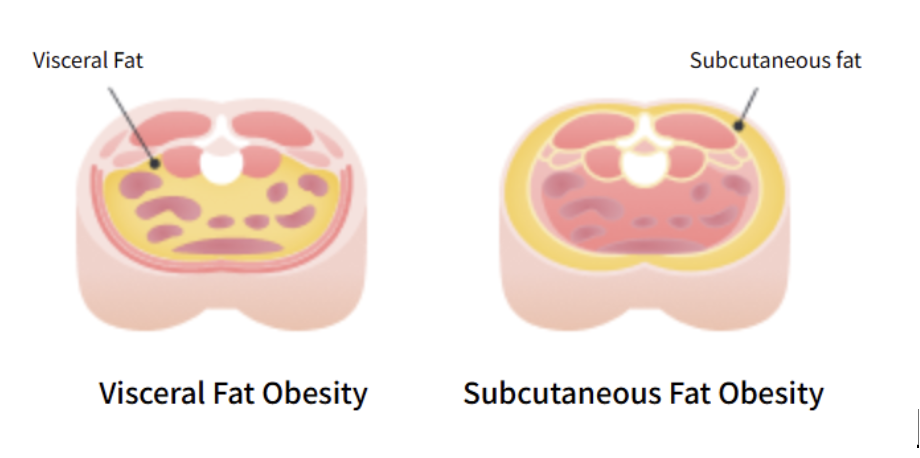
Visceral fat (visceral adipose tissue, VAT) is the fat stored deep inside the abdominal cavity surrounding key organs (liver, pancreas, intestines, and kidneys). It is metabolically active, releasing hormones and inflammatory molecules that affect whole-body physiology. This is fundamentally different from subcutaneous fat, which sits under the skin and is relatively less harmful.
In a snapshot:
Location: Surrounds internal organs in the abdomen
Activity: Secretes adipokines, cytokines, and free fatty acids that interact with metabolic and immune pathways
Health impact: Strongly linked to cardiometabolic disease, cognitive decline, and systemic inflammation
The Harmful Effects of Excess Visceral Fat
1. Metabolic Dysfunction
Visceral fat is tightly linked to insulin resistance, dysregulated glucose metabolism, and elevated circulating fats (hallmarks of metabolic syndrome). It contributes to pro-inflammatory states that drive metabolic disease progression.
Studies show that visceral fat predicts metabolic syndrome and cardiometabolic risk independent of BMI, meaning even “normal weight” individuals can be at risk if VAT is high.
2. Cardiovascular Risk
Visceral adiposity is associated with:
Atherosclerosis and arterial stiffness
Hypertension
Elevated triglycerides and dyslipidemia
Increased risk of myocardial infarction and cardiovascular mortality
3. Cognitive Impacts and Brain Aging
Emerging studies associate higher visceral fat with reduced cognitive performance, including executive function and processing speed. These associations persist even after adjusting for other risk factors, suggesting a direct link between VAT and brain health.
Mechanistically, visceral-associated systemic inflammation and insulin resistance may impair cerebral blood flow and increase amyloid deposition (a feature of Alzheimer’s disease).
Primary Causes of Visceral Fat Accumulation
Visceral fat accumulation does not arise from a single factor, it results from an interplay of lifestyle and physiological drivers:
Dietary factors:
High intake of added sugars, refined carbohydrates, and saturated fats
Frequent alcohol consumption
Ultra-processed foods correlate with increased VAT deposition
Lifestyle and physiological factors:
Sedentary behavior and lack of physical activity
Chronic stress and elevated cortisol
Poor sleep patterns
Hormonal influences
Visceral fat increases cardiovascular risk by driving inflammation, insulin resistance, and arterial dysfunction.
Best Evidence-Based Strategies to Reduce Visceral Fat
1. Nutrition: Protein + Fiber Focus
A diet higher in lean protein and fiber supports satiety, improves glucose regulation, and enhances metabolic efficiency (key factors in reducing visceral fat). High-quality diets rich in vegetables, legumes, and lean protein sources are inversely associated with VAT.
Aim for moderate protein with every meal
Prioritize whole foods over processed foods
Include high-fiber options (e.g., beans, fruits, vegetables)
2. Exercise: Cardio + Resistance Training
Regular physical activity is one of the most effective ways to reduce visceral fat:
Aerobic exercise (moderate to vigorous) improves fat oxidation
Resistance training helps preserve lean mass while enhancing metabolic rate
Combined approaches have stronger effects on VAT reduction than either alone
Guidelines:
150–300 minutes of moderate or 75–150 minutes of vigorous activity per week
Incorporate strength training 2–3 days/week
3. Sleep: 7–8+ Hours Is Protective
Shorter sleep durations are significantly associated with increased visceral fat independent of other factors. Ideally, 7–8 hours of quality sleep per night supports hormonal balance and metabolic regulation.
4. Manage Stress & Cortisol
Chronic stress promotes visceral fat accumulation via prolonged HPA axis activation. In simple terms, this means the body stays in “stress mode” and continues releasing higher levels of cortisol, the primary stress hormone. Cortisol raises blood sugar to provide quick energy, but when it remains elevated for long periods, extra fuel is more likely to be stored as fat, especially around the abdominal organs. Reducing stress through structured methods (e.g., mindfulness, therapy, active recovery) can attenuate this signal and support VAT reduction.
5. Hydration & Overall Recovery
Proper hydration, alongside sleep and recovery practices, supports metabolic efficiency and reduces systemic inflammation, both important for adipose tissue health. Staying well-hydrated doesn’t directly “burn” visceral fat, but it supports blood sugar control, stress regulation, and appetite management, all of which influence where and how the body stores fat.
Fat Types — Subcutaneous vs. Visceral
Checklist: Lifestyle Targets for Low Visceral Fat
Balanced diet: protein + fiber
Regular exercise: cardio + strength training
Quality sleep (≥7 hrs/night)
Stress management
Limit alcohol and added sugars
Stay hydrated
Bottom Line
Visceral fat is not just “belly fat” but an active endocrine organ associated with metabolic, cardiovascular, and cognitive risks. It can develop even when weight and BMI look normal, which is why assessing body composition, not just scale weight, matters.
The good news? Lifestyle modifications, like our Foundational Five (Protein, Sleep, Hydration, Steps, Fasting) are proven and evidence-based ways to reduce visceral fat and improve health outcomes. Consistency over time trumps short-lived interventions.
Written by Andrew Browning, Coaching Director @ Clay Health & Care Andrew Browning is a performance coach and educator with nearly two decades of experience in training, teaching, and behavior change. As Clay’s Coaching Director, he combines deep knowledge in exercise physiology, metabolic health, and recovery with a passion for helping people build sustainable habits that fuel performance at every level.
When most people step on a traditional scale, they see a single number: total body weight. While simple, this measurement leaves out crucial details about what’s really happening inside the body.
At Clay Health & Care, we take a more advanced approach. Every member has access to a monthly Body Composition Scan (InBody), which is a medical-grade tool that analyzes full-body composition, not just weight. This measurement is more than just data collection; it transforms how we design, track, and adjust each member’s care plan.
Why a scale falls short
A standard scale measures only weight, which can be misleading:
No distinction between fat and muscle → Losing muscle can show up as “weight loss,” even though it’s detrimental for long-term health.
Doesn’t reflect hydration status → Fluctuations in water retention can make it look like progress (or regression) when nothing meaningful has changed.
Masks hidden risks → Two people with the same weight may have completely different health profiles.
Example:
Person
Weight
Fat %
Muscle Mass
Health Risk
A
180 lbs
20%
80 lbs
Low
B
180 lbs
35%
65 lbs
High
What a Body Composition scan reveals
Unlike a scale, InBody provides 360-degree snapshot of your body:
Skeletal Muscle Mass (SMM): The engine for metabolism, strength, and longevity.
Body Fat Percentage: More predictive of health risk than weight alone.
Visceral Fat Levels: Identifies dangerous fat around organs linked to inflammation and disease.
Segmental Lean Analysis: Highlights muscle imbalances (right vs. left side, upper vs. lower body).
Basal Metabolic Rate (BMR): Shows how many calories your body burns at rest.
This data allows us to answer the real questions:
Are you losing fat or muscle?
Are you building metabolic health or just chasing a smaller number on the scale?
Precision Adjustments: Nutrition, exercise, supplement, and recovery plans can be fine-tuned in real time.
Trend Tracking: Identifies patterns over time instead of chasing day-to-day fluctuations.
Motivation: Seeing muscle growth or fat reduction, sometimes invisible on a regular scale, keeps members motivated.
One of my favorite parts of coaching: sitting down each month, reviewing Body Composition data, and turning numbers into clear next steps that actually fit a client’s life.
How our approach is different
Personalized Plans: Each member’s training, nutrition, and recovery strategy is built around their unique body composition.
Data-Driven Adjustments: We don’t guess, we measure and adapt.
Longevity Focus: Protecting muscle and reducing visceral fat directly supports healthspan and independence as members age.
Why this matters in the age of GLP-1 Medications
With the rise of GLP-1 medications for weight management, tracking body composition is more important than ever. These drugs can lead to rapid weight loss, but without monitoring, a significant portion of that loss can come from skeletal muscle mass (SMM). Protecting and preserving SMM is critical—not only for metabolism, but also for strength, mobility, and long-term health. Monthly InBody scans ensure that members using GLP-1 medications are losing fat in a healthy way while maintaining the muscle that supports healthy aging and overall function.
The Takeaway
Relying on weight alone is like judging a book by its cover, it misses the real story contained within. At Clay Health & Care, InBody scanning transforms your plan from a generic program into a precise roadmap for long-term health and performance.
That’s why we provide this tool as a member benefit and accountability measure, ensuring every plan evolves alongside your body’s actual needs.
Next time you think about progress, ask yourself: Am I just chasing a smaller number, or am I building a stronger, healthier future?
Written by Andrew Browning, Coaching Director @ Clay Health & Care Andrew Browning is a performance coach and educator with nearly two decades of experience in training, teaching, and behavior change. As Clay’s Coaching Director, he combines deep knowledge in exercise physiology, metabolic health, and recovery with a passion for helping people build sustainable habits that fuel performance at every level.
Maggie Riemenschneider is a nurse practitioner with a holistic and personalized approach to care. Drawing on her background in primary care, functional medicine, and women’s health, she helps patients uncover the root causes of their symptoms and empowers them to take charge of their long-term health.
In a world where everyone’s juggling a million things, who has time for complicated health overhauls? I will admit that grocery shopping basics is a tired topic at this point, but I teach these to all of my clients. These are real-deal strategies that help you dial in your nutrition and build lifelong habits.
As the Director of Coaching at Clay, I’ve seen how small, low-effort tweaks can lead to big wins. We’re tapping into that universal desire to get more from less work, turning your weekly grocery trip into an efficient path to better eating.
Here’s how to build a healthier cart with ease.
1. Fuel up first – Avoid the hunger trap
More food options look extremely tempting when your next meal is weighing heavy on your mind. That’s no accident as stores are consciously designed to play on your social and emotional feelings. The fix is obvious. Eat a quick snack or time your trip right after a meal. This simple move curbs impulse buys on tempting junk, keeping your focus on nourishing choices. Smarter timing = fewer regrets.
2. Master the perimeter power play
The outer edges contain majority of the “good stuff”—fresh fruits, veggies, lean meats, and dairy—while the inner aisles are packed with ultra-processed pitfalls. Start your shop on the outer edges to load up on nutrient-dense foods that fuel your body. Those middle aisles contain the hassle of decoding endless options. Sure, some stores mix it up with healthy offerings in the middle and of course, you’ll need to secure your pantry basics from the middle aisles, but sticking mostly to the perimeter is a the right instinct to have.
Fresh is great. Frozen is reliable. Keep high-quality produce on hand without the waste or pressure.ls second to catch added sugars and unnecessary fillers.
3. Embrace frozen produce
Fresh produce is great, but let’s be real—it spoils fast, especially if you’re cooking for one or two. Don’t fear frozen fruits and veggies: they’re picked at peak ripeness, flash-frozen to lock in nutrients, and they last way longer in your freezer. Utilizing frozen produce options means less waste, fewer trips to the store, and easy additions to smoothies, stir-fries, or sides. Bonus: they’re often cheaper and pre-chopped for zero prep work. When choosing frozen options, skip added sauces and sugars to keep it clean and effortless. And when it’s time to heat them, transfer out of the plastic—never microwave in plastic.
4. Scan nutrition labels
Labels can feel overwhelming, but you don’t need to be a nutritionist to crack them. Here’s the low-effort rule: If sugar (or its aliases like high-fructose corn syrup) is in the top three ingredients, treat it like dessert—not an everyday staple. Also, scan for ingredient lists that read like a chemistry lab: too many fillers, gums, or preservatives? Pass every time. Focus on these two easy checks and you’ll be ahead of the pack.
5. Plan a weekly, seasonal-forward menu
Create a weekly menu to guide your shopping and save time. A menu builds your grocery list automatically, prevents aimless store wandering, and cuts impulse buys. Lean into seasonal produce for fresher, tastier, and cheaper options. This one-and-done planning session streamlines your week and keeps your meals consistent.
Perimeter first for whole foods. Labels second to catch added sugars and unnecessary fillers.
6. Know your store – Get in & out
Familiarize yourself with your go-to store’s setup: where’s the produce, the dairy, the healthy snacks? This insider knowledge lets you cruise through without detours into temptation zones. Over time, it turns shopping into a quick routine, freeing up your mental energy and time for everything else going on in your life.
7. Leverage apps for temptation
Want healthy groceries without the in-store temptations? Use apps like Instacart, Amazon Fresh, or local store platforms to order exactly what you need, delivered to your door (or pick-up). Build your cart from your weekly menu, stick to your list, and avoid impulse buys that might be offered while scrolling. Most apps let you save favorite products to keep things convenient when re-ordering.
These strategies aren’t about perfection, they’re about smart, sustainable shifts that fit your busy life. Start with one or two and watch how they compound into healthier habits with zero extra grind. Your body (and wallet) will thank you.
Written by Andrew Browning, Coaching Director @ Clay Health & Care Andrew Browning is a performance coach and educator with nearly two decades of experience in training, teaching, and behavior change. As Clay’s Coaching Director, he combines deep knowledge in exercise physiology, metabolic health, and recovery with a passion for helping people build sustainable habits that fuel performance at every level.
Reviewed by Dr. Allen Gorman, Medical Director @ Clay Health & Care Dr. Allen Gorman is a physician-scientist with a focus on metabolism, aging, and cellular repair. His clinical and research work spans two decades, with a passion for translating complex science into actionable health strategies.

Every January, millions of people reset their health goals. New routines. New promises. New intensity.
But most of those efforts start without answering a fundamental question: Where are you actually starting from?
At Clay, we believe progress begins with clarity—not necessarily motivation. January offers a rare and powerful opportunity to capture baseline data that reflects real life, not a curated version of it. Before resolutions take hold, before habits change, before behavior shifts, your body tells the truth.
Here’s why January data is the most valuable data of the year—and how it can transform your approach to health and performance.
Post-Holiday Recovery Insights
Culturally in the U.S., the weeks following the holidays tend to create a natural physiological stress test.
Changes in nutrition, alcohol intake, sleep patterns, travel, time off from work, and stress load leave measurable signals behind—often before symptoms show up. Inflammation may be elevated. Hydration markers may shift. It’s safe to say that sleep quality and recovery metrics tend to decline.
Rather than seeing this as “damage,” we see it as insight.
January data reveals how well your system recovers under stress. It shows us your resilience, your metabolic load tolerance, and where your body struggles to rebound. That recovery capacity is one of the strongest predictors of long-term health—and it’s far easier to assess now than later in the year
Metabolic Flexibility in Action
Metabolic flexibility—your ability to efficiently switch between fuel sources—is a cornerstone of energy, fat loss, and longevity.
And January is one of the clearest windows to measure it.
This is because habits are often consistent, even if they’re not ideal. Before structured diets, new training plans, or aggressive interventions begin, your metabolism reflects how you truly live day to day.
Through Clay’s Core Assessment, we evaluate markers tied to glucose handling, fat metabolism, and energy efficiency (among other markers). This allows us to understand not just what your numbers are, but how your system adapts under normal conditions.
That context is critical. Without it, interventions risk being reactive instead of head-on and strategic.
Clay’s Core Assessment: a foundational assessment inclusive of an advanced blood panel and body composition assessment to understand how your body is performing today. Then spend time 1:1 with a Clay medical provider for a detailed review of your results and a Clay Health Coach to create your roadmap to improve your health span.
Real Lifestyle Patterns, Revealed
January doesn’t reflect aspiration—it reflects reality.
Sleep patterns. Movement levels. Nutrition habits. Stress exposure. These behaviors tend to stabilize in early January, making the data especially honest.
This is where personalization actually begins.
Instead of prescribing idealized routines, Clay Coaches use this data to identify where behavioral change will realistically stick. We look for leverage points—small adjustments that create outsized impact—because sustainable progress is built on alignment, not force.
Why Timing Matters
The instinct to “fix everything” in January is understandable—but often counterproductive.
Rushing into change before measuring baseline data can lead to chasing symptoms instead of addressing root causes. It can obscure what’s truly driving fatigue, stalled progress, or metabolic dysfunction.
Capturing data first gives your care team the context needed to personalize recommendations with precision. It allows us to sequence interventions correctly—supporting recovery, optimizing metabolism, and building momentum in the right order.
At Clay, we don’t guess. We measure, interpret, and act with intention.
We think January is the best time to do that.
Start With Data. Build With Purpose.
Your health doesn’t reset on January 1st—but your opportunity for clarity does.
If you want this year to look different from the past, start by understanding where you are now. January data provides the foundation for meaningful, lasting change—and it’s one of the most underutilized tools in healthcare today.