Contents

    At Clay, we believe better health starts with better information. One of the most overlooked—but incredibly impactful—areas we examine with our patients is Toxicity.

    We’re all exposed to toxins. Every day. From the air we breathe and the food we eat to the cookware in our kitchens and the packaging on our shelves, modern life introduces a steady stream of chemicals, heavy metals, and environmental pollutants into our bodies.

    You may not feel it immediately. But over time, that “toxic burden” builds up, silently draining your energy, weakening your immune system, interfering with hormones, and accelerating aging and disease.

    Let’s break it down—what toxicity really means, why it matters, and what you can start doing about it today.


    Why Clay Cares About Toxicity

    Toxins don’t always cause acute symptoms—but they slow down your cellular engines in ways that can be hard to detect until it’s too late. They cause:

    • Chronic inflammation
    • Oxidative stress
    • Mitochondrial damage
    • Hormonal disruption
    • Gut microbiome imbalances

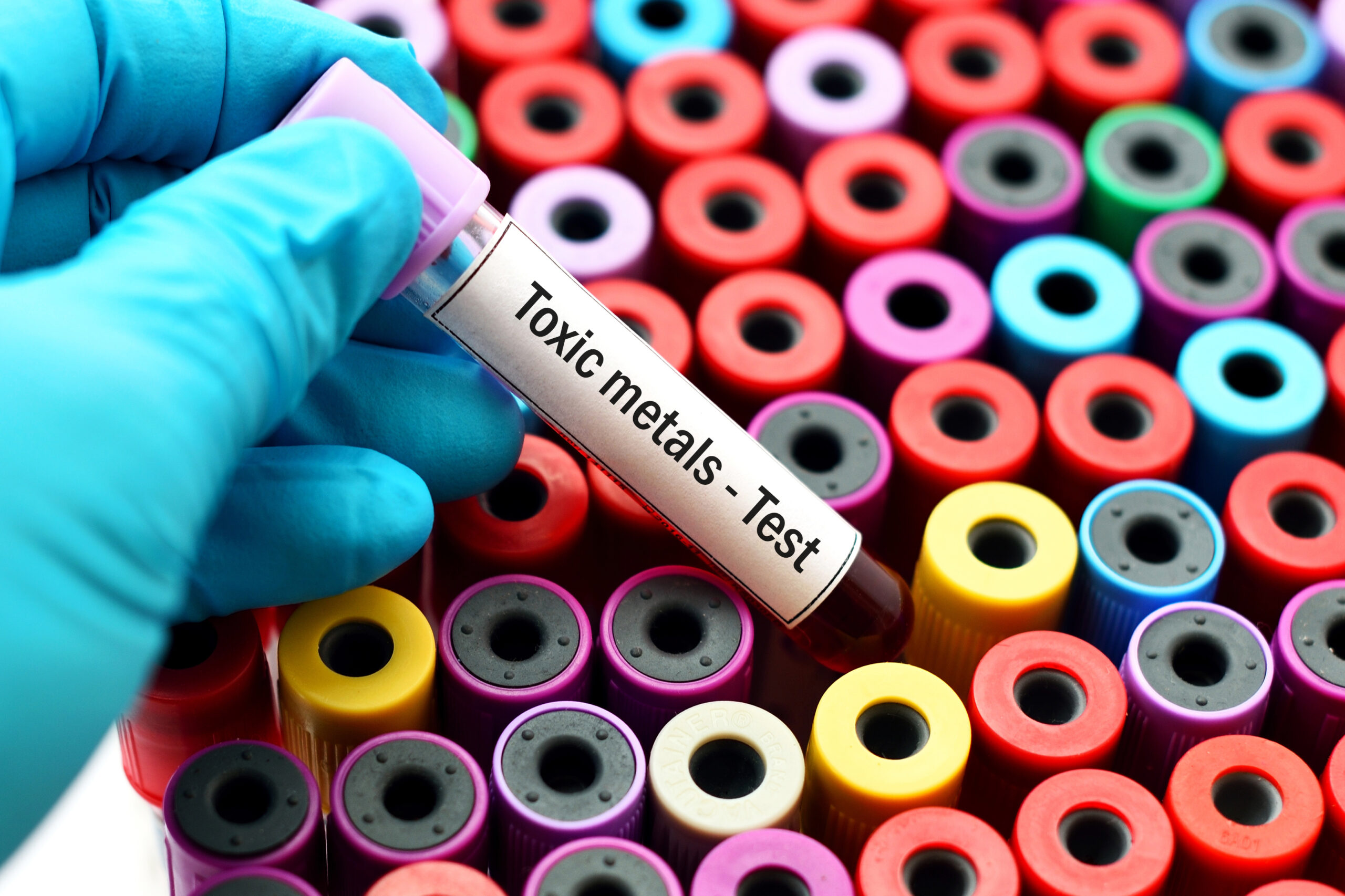
    You may assess your Total Toxic Burden through advanced lab testing. This will give you insight into what’s really going on—and how to reverse it before it leads to something serious.
    The Most Common Toxins We See

    Here are a few toxic compounds we frequently identify in our patients’ lab panels:

    • Ochratoxin A: A mold-based toxin that often hides in water-damaged buildings or food storage.
    • Heavy Metals: Like mercury, arsenic, cadmium, and lead. Often from seafood, old pipes, soil, or industrial pollution.
    • PFAS (Forever Chemicals): Found in non-stick pans, takeout containers, waterproof fabrics, and more.
    • 2-Hydroxyethyl Mercapturic Acid: A marker of plastic and solvent exposure—think processed food packaging and cleaning agents.

    These toxins don’t just hang around—they actively block your body’s ability to heal, thrive, and perform.

    If you suspect your home has aging or corroded pipes, especially in older construction, you could be exposed to heavy metals like lead or cadmium.

    Simple First Steps: How to Lower Your Toxic Load

    Reducing your exposure doesn’t require an overhaul—just a few intentional changes:

    1. In the Kitchen

    ✔️ Ditch non-stick cookware and switch to cast iron, stainless steel, or ceramic to reduce PFAS exposure.
    ✔️ Use a reverse osmosis or carbon-filtered water system to filter out heavy metals and forever chemicals.
    ✔️ Avoid plastic containers—opt for glass or stainless steel instead.

    2. At the Table

    ✔️ Add 1–2 servings of cruciferous vegetables daily—broccoli, kale, arugula—to support your liver’s natural detox enzymes.
    ✔️ Include foods high in fiber to support regular elimination (chia, flax, lentils, leafy greens).

    3. Around the House

    ✔️ Use non-toxic cleaning and personal care products—read ingredient labels and look for EWG-verified brands.
    ✔️ Improve air quality with HEPA filters or houseplants like peace lilies and spider plants.


    What About Detoxes?

    “Detox” has become a buzzword, often used to sell juice cleanses and powders. But real detox isn’t a quick fix—it’s a biological process your body is doing all the time.

    Your liver, kidneys, gut, lymphatic system, and skin are all involved. Our job is to support and optimize these systems—not overwhelm them with drastic interventions.

    Foundational Practices That Support Detoxification

    • Support gut health: Probiotics (10–50 billion CFU daily) and prebiotics (like inulin) keep your gut moving and eliminate toxins.
    • Sleep 7–9 hours nightly: Most detoxification happens at night—especially in the liver and brain.
    • Manage stress: Chronic stress impairs detox. Use breathwork, meditation, or movement practices that bring your nervous system down.
    • Exercise regularly: Sweat, circulation, and lymphatic flow are essential. Even walking 30 minutes daily helps.


    Personalized Plans, Real Results

    Everyone’s toxic burden is different. Some of us are better detoxifiers. Others need more support.

    At Clay, we don’t believe in guessing. We believe in data, action, and results.

    Whether you’ve already reviewed a Toxicity Panel with us or are just beginning to explore this area of health, we’re here to help you clear out what’s holding you back—and make room for real vitality.

    Start clearing the path to better health. Join Clay.

    Author

    Written by Dr. Allen Gorman, Medical Director @ Clay Health & Care
    Dr. Allen Gorman is a physician-scientist with a focus on metabolism, aging, and cellular repair. His clinical and research work spans two decades, with a passion for translating complex science into actionable health strategies.


    Contents

      The Foundational Five

      At Clay, we teach that true, sustainable health starts with foundational behaviors that support your body from the inside out. We call them the Foundational Five and they include Protein, Steps & Movement, Hydration, Sleep, and Metabolic Recovery. As Coaching Director, I help each Clay Member build confidence and consistency with these principles, because they’re effective, sustainable, and fully within your control.


      Metabolic Window Guide: Fasting for Energy and Recovery


      Why the Metabolic Recovery Window (MRW) Matters:

      The MRW refers to the period during fasting when your body shifts from digesting food to actively repairing, recovering, and optimizing internal systems. This metabolic state is typically reached after 12–14 hours of fasting.

      At Clay, we see MRW as one of the most effective ways to help clients reset their system and restore balance. Done right, it becomes a sustainable rhythm—not a restriction.

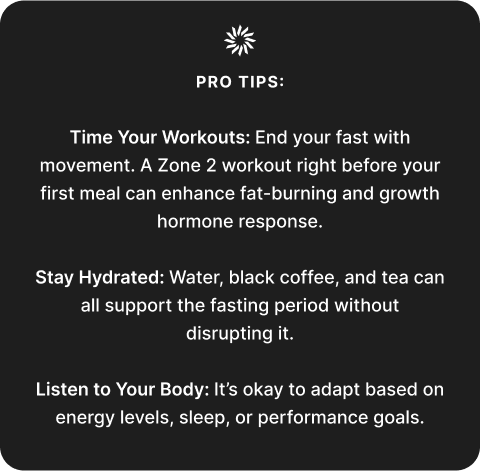
      Start Simple: Try a consistent 12-hour eating window (e.g., 8AM–8PM). Progress slowly if new to fasting.


      Improved Digestion

      Pausing food intake gives your digestive system a break—reducing gut inflammation, enhancing nutrient absorption, and supporting gut lining repair.

      Many Clay Members notice reduced bloating, better bathroom regularity, and fewer energy crashes during the day.


      Muscle Recovery

      Contrary to myths about muscle loss, fasting preserves muscle mass by increasing growth hormone levels, which peak around 12–16 hours.

      For our Clay Members who train daily, fasting supports recovery between training sessions—especially when timed right before their first meal.


      Anabolic Pathways

      Fasting activates pathways like autophagy (cellular cleanup) and ketogenesis (fat-burning), which optimize energy use and repair damaged cells.

      I tell Clay Members that fasting is like spring cleaning for your cells—done daily.


      Metabolic Flexibility

      The MRW trains your body to switch between burning glucose and fat, for fuel.

      That means better energy, fewer cravings, and more consistent performance.


      Reduced Inflammation

      A break from constant digestion lowers systemic inflammation, supporting overall health and recovery.

      Many Clay Members report clearer skin, fewer aches, and improved recovery after establishing a consistent MRW rhythm.

      Author

      Written by Andrew Browning, Coaching Director @ Clay Health & Care
      Andrew Browning is a performance coach and educator with nearly two decades of experience in training, teaching, and behavior change. As Clay’s Coaching Director, he combines deep knowledge in exercise physiology, metabolic health, and recovery with a passion for helping people build sustainable habits that fuel performance at every level.

      Reviewed by Dr. Allen Gorman, Medical Director @ Clay Health & Care
      Dr. Allen Gorman is a physician-scientist with a focus on metabolism, aging, and cellular repair. His clinical and research work spans two decades, with a passion for translating complex science into actionable health strategies.

      Contents

        The Foundational Five

        At Clay, we believe lasting health is built on a strong foundation. That’s why I focus on helping every Clay Member develop consistent routines around what we call The Foundational Five: Protein, Daily Steps & Movement, Hydration, Quality Sleep, and a Metabolic Reset. These key habits drive your energy, improve resilience, and enhance performance—no matter your current health status or long-term goals. Each one is simple, powerful, and fully within your control.


        Increase Your Daily Steps: 
A Practical Guide

        Why Steps Matter

        Movement is the cornerstone for health, longevity, and recovery. Walking daily boosts blood sugar control, aids digestion, and supports active recovery all supporting metabolic health.

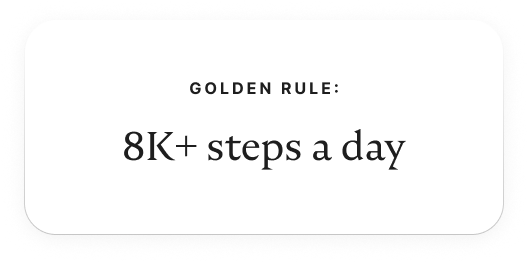
        Here’s one sample outline to help you get started on finding ways to get your 8K+ steps a day.


        Morning: 2,000 Steps

        Start your day with a 15-minute walk—ideally before breakfast, in a fasted state. This low-intensity movement helps kickstart circulation, clears the mind, and taps into fat as a fuel source, supporting metabolic flexibility. At Clay, we build this into morning routines because it’s simple, accessible, and powerful. No gear. No gym. Just you, your body, and a commitment to moving forward—literally and metabolically.


        Workday: 2,000 Steps

        Movement doesn’t have to wait for the gym. During the workday, we aim for another 2,000 steps—layered into the rhythm of your routine. Here are some small ways to rack up those mid-day steps:

        • Walk during meetings
        • Take movement breaks each hour
        • Choose stairs over elevators
        • Park a little farther than usual
        • Step outside for meetings & calls
        • Utilize a treadmill desk

        At Clay, we emphasize stacking small wins throughout the day—because yes, even the long route to the bathroom counts. It’s not about intensity here; it’s about consistency, circulation, and keeping your metabolism awake while you work.


        Post-Meal: 2,000 Steps

        After you eat, move. A quick 10-minute walk after meals—especially lunch or dinner—can help stabilize blood sugar, improve insulin sensitivity, and support digestion. At Clay, we lean into this as one of the simplest, most effective habits for metabolic health. You don’t need a workout—just a stroll around the block with a coworker, or some steps while you catch up on a podcast. Small actions, done consistently, change how your body processes fuel. This is one of them.


        Evening: 2,000 Steps

        As the day winds down, walk it out. An evening walk—whether it’s with family, the dog, or just your own thoughts—helps shift your body into recovery mode. It lowers stress hormones, supports digestion, and signals your nervous system that it’s time to slow down. At Clay, we view this as more than a step count—it’s a reset. The light’s softer, your pace is slower, and your mind has room to process the day. This simple habit reinforces your circadian rhythm and sets the stage for better sleep and next-day performance.

        Author

        Written by Andrew Browning, Coaching Director @ Clay Health & Care
        Andrew Browning is a performance coach and educator with nearly two decades of experience in training, teaching, and behavior change. As Clay’s Coaching Director, he combines deep knowledge in exercise physiology, metabolic health, and recovery with a passion for helping people build sustainable habits that fuel performance at every level.

        Reviewed by Dr. Allen Gorman, Medical Director @ Clay Health & Care
        Dr. Allen Gorman is a physician-scientist with a focus on metabolism, aging, and cellular repair. His clinical and research work spans two decades, with a passion for translating complex science into actionable health strategies.

        Contents

          The Foundational Five

          At Clay, we teach that real, lasting health starts with what you do daily—not just what you do at the doctor’s office. That’s why I coach every Clay Member to build strong routines around what we call the Foundational Five: Protein, Steps & Movement, Hydration, Sleep, and Metabolic Reset. These pillars fuel energy, recovery, focus, and long-term performance. You can start them today, see the difference, and own the process.


          Daily Hydration Guide: Get Your Water Intake Right

          Why Hydration Matters

          Water makes up roughly 60% of your body and supports nearly every major function—regulating temperature, transporting nutrients, flushing waste, and lubricating joints. Even slight dehydration (just 1–2% of your body weight) can cause fatigue, brain fog, and reduced physical performance.

          At Clay, we see hydration not just as a health tip, but a daily performance tool. It’s one of the easiest, most immediate changes you can make to feel better—fast. This is how I coach Clay Members to make hydration automatic—not another chore.


          Set Your Baseline

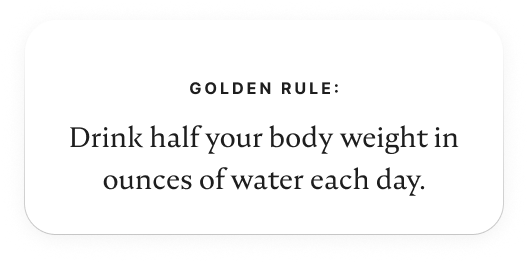
          Figure out how many bottle refills you need to hit your daily hydration goal.

          If your goal is 75 oz and your bottle holds 25 oz, you need to make sure you’re hitting 3 full refills per day. And remember, that’s just the minimum.


          Time Your Sips

          Spread your intake across the day.


          Sip every 20-30 minutes instead of chugging H20 late at night. I coach morning movement clients to drink 16-24 ounces first thing in the morning (before coffee or food)—it makes a big difference.


          Track Your Refills

          Mark your progress with rubber bands on your bottle, tally marks in a notebook, set a timer for every 30 mins on your phone, or use a hydration tracking app like Water Drink Reminder, WaterMinder, or Hydro Coach.


          This is a trick I use with busy clients who tend to forget until it’s too late.


          Enhance with Electrolytes

          On training days or in the heat, add electrolytes like a pinch of sea salt or a sugar free, no filler electrolyte drink mix.


          This helps retain water and supports better muscle function and recovery.


          Make It Visible

          Keep your bottle on your desk, in your gym bag, or next to your keys.


          Seeing it = drinking it. Visibility drives consistency.

          Author

          Written by Andrew Browning, Coaching Director @ Clay Health & Care
          Andrew Browning is a performance coach and educator with nearly two decades of experience in training, teaching, and behavior change. As Clay’s Coaching Director, he combines deep knowledge in exercise physiology, metabolic health, and recovery with a passion for helping people build sustainable habits that fuel performance at every level.

          Reviewed by Dr. Allen Gorman, Medical Director @ Clay Health & Care
          Dr. Allen Gorman is a physician-scientist with a focus on metabolism, aging, and cellular repair. His clinical and research work spans two decades, with a passion for translating complex science into actionable health strategies.

          Contents

            The Foundational Five

            At Clay, we focus on the fundamentals—because lasting health is built from the ground up. That’s why I build behavior plans with every Clay Member to establish what we call the Foundational Five: Protein, Steps & Movement, Hydration, Sleep, and Metabolic Reset. These five habits are the building blocks of energy, recovery, and high performance—whether you’re just starting out or aiming to optimize. They’re straightforward, effective, and entirely in your hands.


            Get Your Sleep Setup Right: 
A Guide for Optimal Rest

            Why Sleep Matters

            Sleep isn’t an afterthought—it’s a cornerstone of whole-body health. Quality sleep drives recovery, balances hormones, sharpens focus, and supports your immune and metabolic systems. It’s where the body repairs and the mind resets.

            This guide is your starting point. The real magic happens when you consistently apply it. Dial in your sleep setup and give your body the rest it deserves.


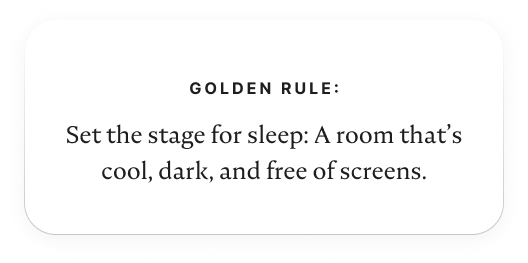
            Darken Your Bedroom

            Why: Light suppresses melatonin, the hormone that signals to your body that it’s time to sleep.
            How: Use blackout curtains or a sleep mask to block light. Remove televisions, clocks, or any other device that puts out light (whether is is turned on or off).


            Keep It Cool

            Why: Your core temperature naturally drops as you fall asleep. A cooler room supports that process.

            How: Set your thermostat to 60–67°F (15–20°C). And when it comes to clothing & bedding, less is more.


            Minimize Noise

            Why: Sudden or low-level noise can disrupt deep sleep cycles.

            How: Use earplugs or a white noise machine to block out background sounds.


            Reserve Your Bed for Sleep

            Why: Associating your bed with rest helps your brain wind down faster.

            How: Avoid using your bed for work, TV, or scrolling.


            Invest in Comfort

            Why: Discomfort can keep you from falling into or staying in deep sleep.

            How: Choose a quality mattress and supportive pillows. Replace them every 5–7 years.

            Author

            Written by Andrew Browning, Coaching Director @ Clay Health & Care
            Andrew Browning is a performance coach and educator with nearly two decades of experience in training, teaching, and behavior change. As Clay’s Coaching Director, he combines deep knowledge in exercise physiology, metabolic health, and recovery with a passion for helping people build sustainable habits that fuel performance at every level.

            Reviewed by Dr. Allen Gorman, Medical Director @ Clay Health & Care
            Dr. Allen Gorman is a physician-scientist with a focus on metabolism, aging, and cellular repair. His clinical and research work spans two decades, with a passion for translating complex science into actionable health strategies.

            Contents

              The Foundational Five

              At Clay, we believe long-term health begins with mastering the basics. That’s why I work closely with each Clay Member to build habits around what we call The Foundational Five: Protein, Steps & Movement, Hydration, Sleep, and Metabolic Reset. These are the core behaviors that support energy, resilience, and performance—no matter your starting point or health goals. Each one is simple, powerful, and fully within your control.

              Protein Portion Guide

              Why Protein Matters

              Protein is essential because it provides amino acids that stimulate muscle protein synthesis, driving muscle repair and growth, which are critical for maintaining strength, metabolic health, and resilience against aging and physical stress.


              Lean Meats (per 100g cooked)

              CHICKEN BREAST: 31g
              TURKEY BREAST: 29g
              LEAN BEEF (93% lean): 27g
              PORK TENDERLOIN: 29g
              SALMON: 25g

              Vegan Whole Foods

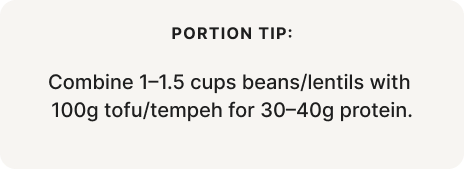
              LENTILS (1 cup cooked): 18g protein
              TOFU (150g): 15g protein
              TEMPEH (100g): 20g protein
              EDAMAME (1 cup shelled): 17g protein
              BLACK BEANS (1 cup cooked): 15g protein

              Protein Powder

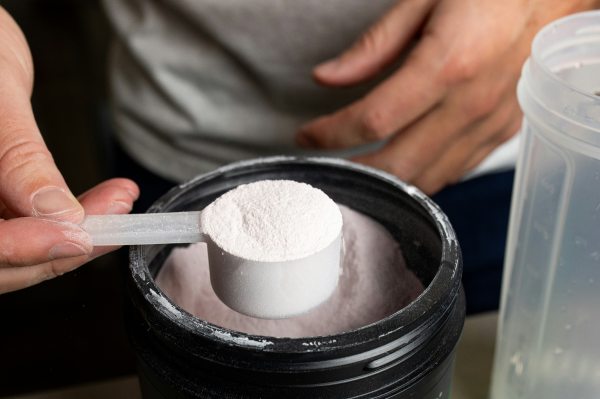
              WHEY PROTEIN (1 scoop, 30g): 25g protein
              PLANT-BASED PROTEIN (1 scoop, 30g): 22g protein

              Author

              Written by Andrew Browning, Coaching Director @ Clay Health & Care
              Andrew Browning is a performance coach and educator with nearly two decades of experience in training, teaching, and behavior change. As Clay’s Coaching Director, he combines deep knowledge in exercise physiology, metabolic health, and recovery with a passion for helping people build sustainable habits that fuel performance at every level.

              Reviewed by Dr. Allen Gorman, Medical Director @ Clay Health & Care
              Dr. Allen Gorman is a physician-scientist with a focus on metabolism, aging, and cellular repair. His clinical and research work spans two decades, with a passion for translating complex science into actionable health strategies.