Contents

    The Precision of Personalized Training

    At Clay, we believe that optimal health and performance stem from understanding your body’s unique physiology. Zone 2 training—exercising at a specific heart rate zone to maximize fat oxidation and mitochondrial efficiency—is foundational to this approach.

    To accurately determine an individual’s true Zone 2, we collaborate with Oval, utilizing their advanced lactate threshold testing technology. This partnership allows us to tailor training programs that align with each client’s metabolic profile, ensuring effective and sustainable results.


    Before Anything Else, You Need to Understand Lactate Threshold.

    Lactate threshold refers to the exercise intensity at which lactate begins to accumulate in the bloodstream faster than it can be removed. This point is crucial because it signifies a shift from predominantly aerobic metabolism to anaerobic metabolism. Training just below this threshold—within Zone 2—enhances mitochondrial density and function, improving the body’s ability to utilize oxygen for energy production.


    In my own training, I’ve learned firsthand how staying just below this threshold improves my endurance and metabolic efficiency over time. It’s humbling, but necessary, to slow down to truly build capacity. With patients at Clay, I’ve seen remarkable improvements in fatigue resistance and metabolic markers after consistent training in their personalized Zone 2 ranges.

    Studies have shown that consistent Zone 2 training increases the activity of mitochondrial enzymes, leading to better endurance and metabolic health (Coyle et al., 1991; San-Millán & Brooks, 2018; Laursen & Jenkins, 2002).

    Making Room for Zone 2 In Your Workouts

    Incorporating Zone 2 training into your routine doesn’t require exhaustive efforts. Activities like brisk walking, cycling, or light jogging, maintained at a pace where conversation is comfortable, are effective. I advise clients to find that pace where they’re just under the edge—breathing deeply but not gasping. That’s the sweet spot.

    Personally, I aim for 45 minutes of Zone 2 jogging or cycling 3-4 times a week, keeping my heart rate dialed into my lactate threshold insights from Oval. That feedback keeps me honest and efficient. I recommend the same for most clients who regularly exercise: 30-60 minutes, 3-5 times per week, depending on goals and baseline fitness.

    We also encourage flexibility. If you’re on your feet all day or have a hard workout planned tomorrow, 30 minutes of Zone 2 is plenty.

    For more tips, check out Inigo San-Millán, one of the leading voices in lactate metabolism research, and Peter Attia’s work, who regularly covers the longevity impact of Zone 2 training.

    Integrating Zone 2 into Clay’s Health Optimization Programs

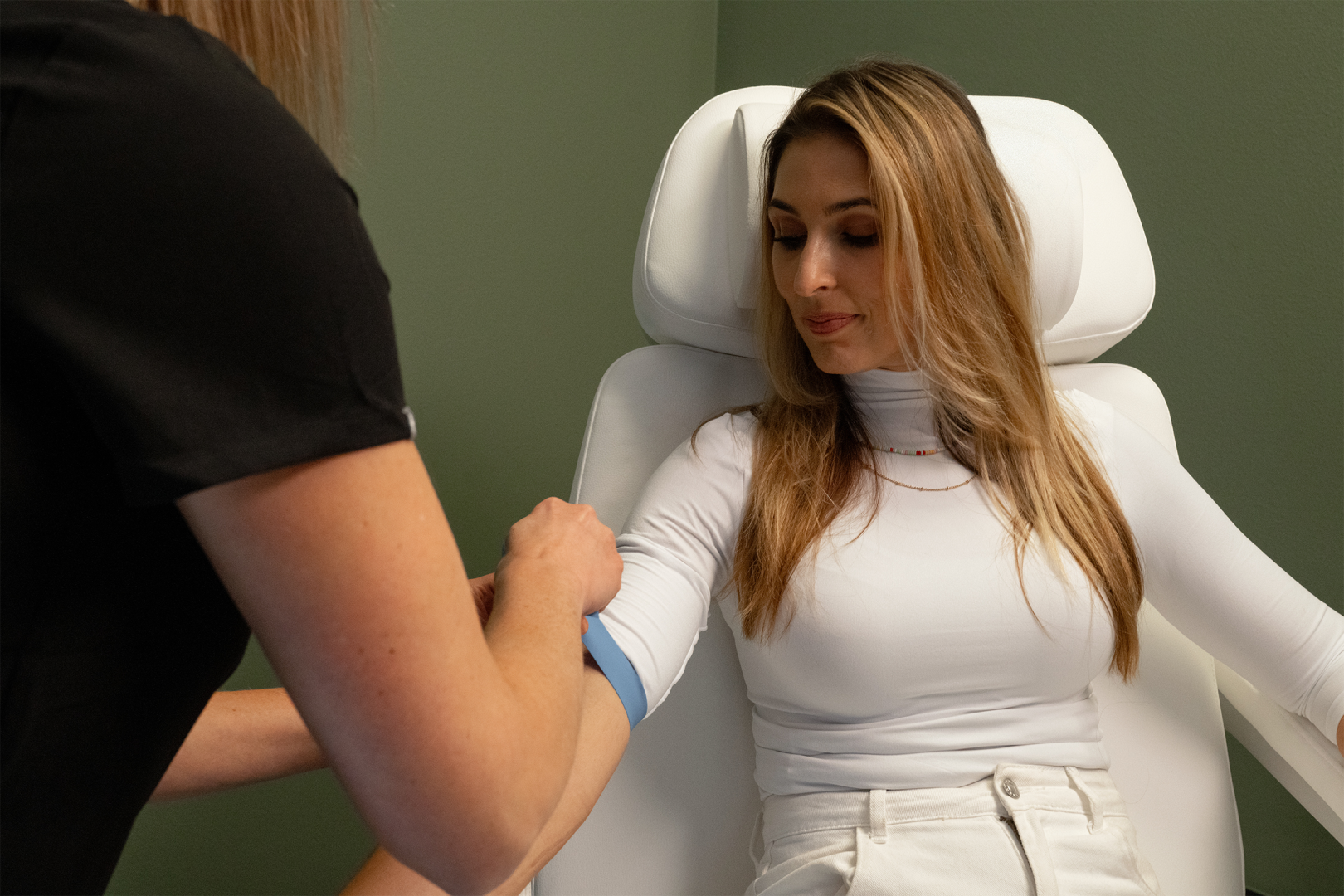
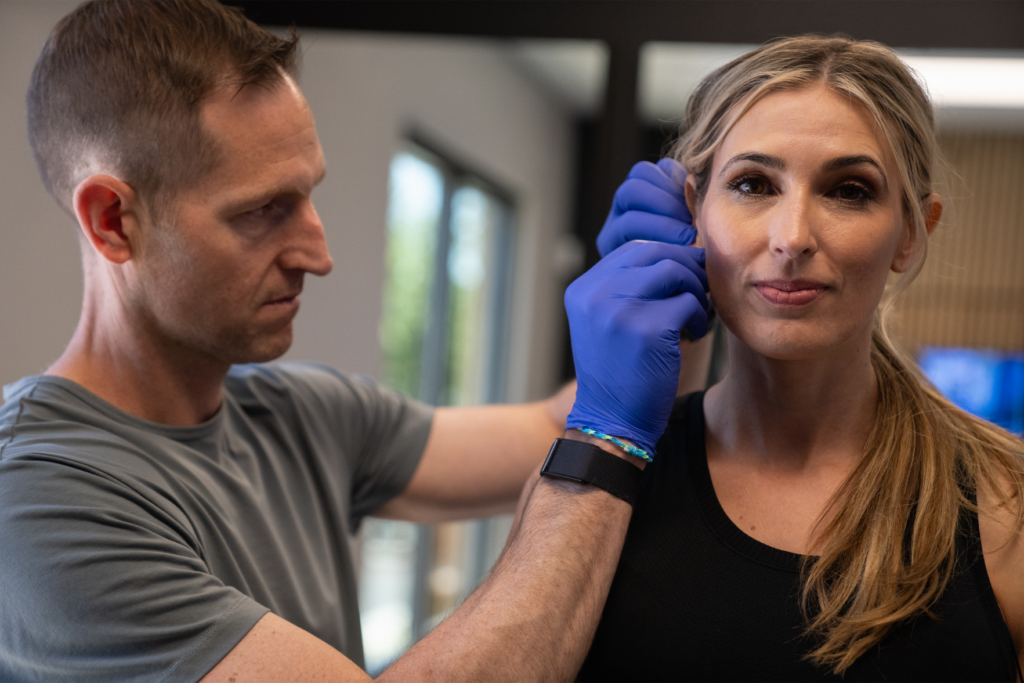
    At Clay, our Health Optimization clients benefit from personalized programs that incorporate Zone 2 training as a cornerstone. During onsite appointments at Clay clinics, I walk clients through lactate threshold testing myself, explaining what we’re measuring and how the data applies to their daily lives.

    By identifying each individual’s lactate threshold through Oval’s testing, we tailor exercise prescriptions that align with their metabolic capabilities and goals. This approach ensures that clients train efficiently, avoid overtraining, and achieve sustainable improvements in health and performance.

    To see our approach in action, here’s Clay CEO, Joel Nelson breaking down a lactate threshold test using Oval’s technology at our Henderson, NV clinic:


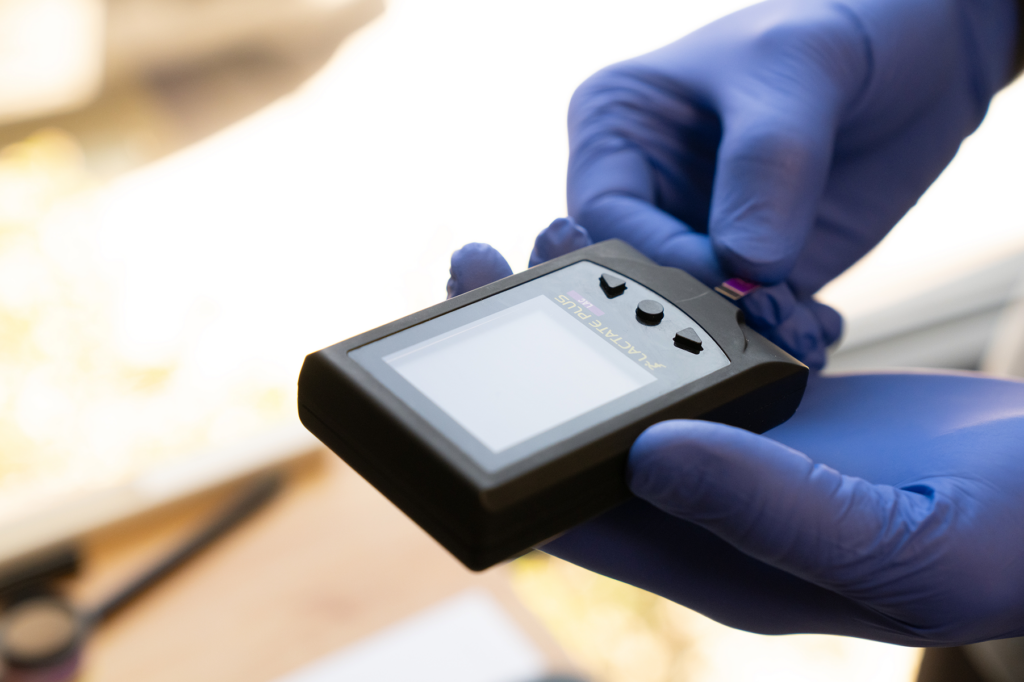
    Oval’s portable lactate meter and software give us real-time visibility into how your body uses energy across intensities. This test helps us personalize both low-intensity endurance work and high-intensity intervals for smarter gains.
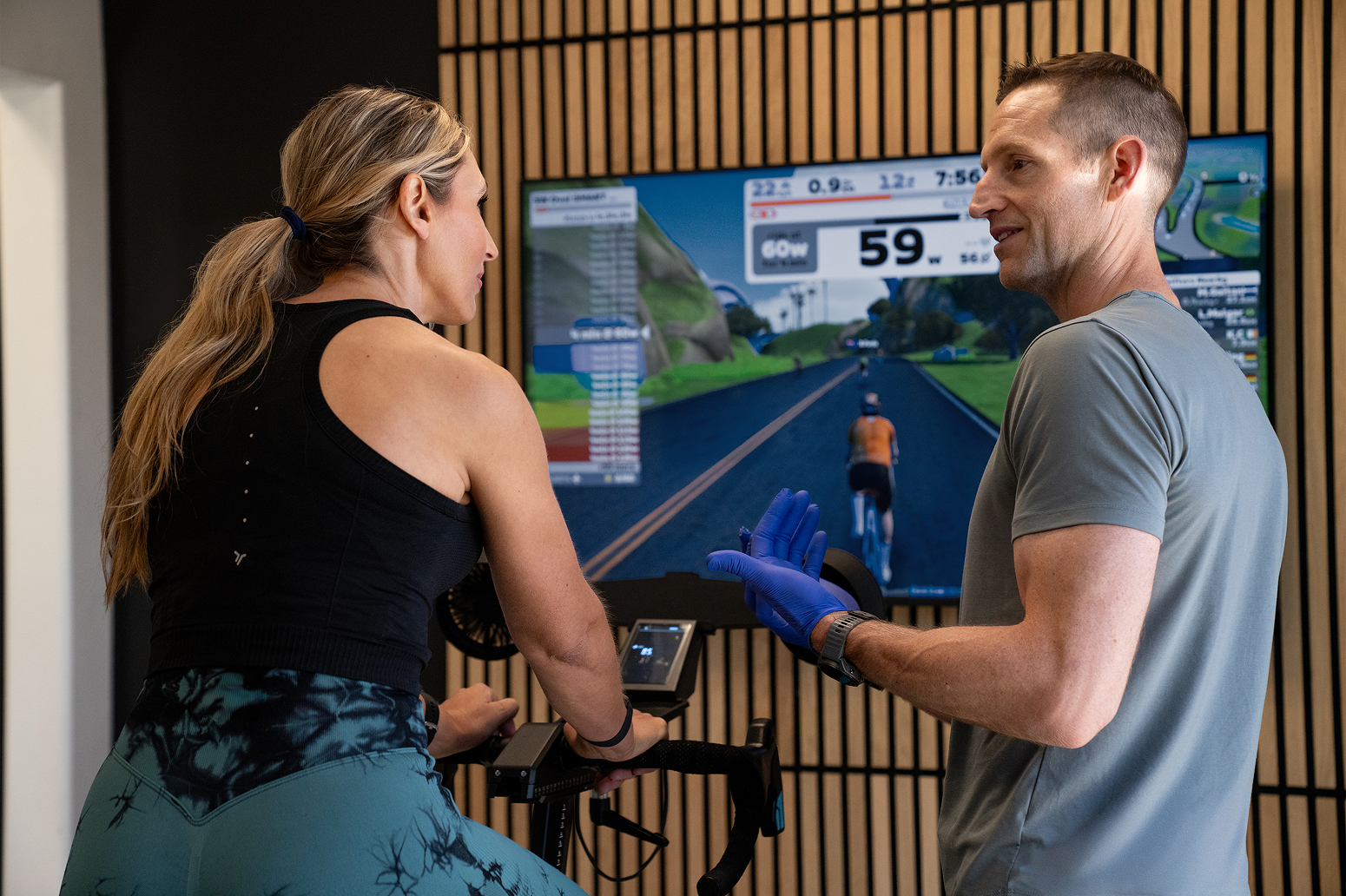
    Finding the sweet spot. A Clay Coach uses Oval’s lactate pulse tech to uncover True Zone 2—where endurance gains and fat burn really take off.

    Elite Tools Belong To Everyone

    Our mission at Clay is to democratize access to elite-level health and performance tools. By leveraging data-driven assessments like lactate threshold testing, we provide clients with insights previously reserved for professional athletes.

    We believe that everyone deserves to understand their body on a deeper level. That means replacing guesswork with measurement, and ambition with a smart plan. By combining assessments with health coaching, we help each person move toward a more metabolically flexible and physically capable version of themselves.

    What Metabolic Insights Do We Gain?

    Lactate threshold testing provides valuable insights into an individual’s metabolic responses during exercise. By identifying the precise point where lactate begins to accumulate, we can determine the true Zone 2 heart rate range, ensuring that training is both effective and safe.

    This is where fat oxidation peaks—Zone 2 is your body’s fat-burning engine. Beyond that threshold, your body shifts to burning primarily carbohydrates. So when you’re training just below that point, you’re training your body to become metabolically flexible.

    We also use this test to define Zone 5—your max output—used in high-intensity intervals. This clarity allows for intentional, polarized training that combines smart recovery and smart intensity.

    More info on this can be found via Heart Rate Training by Phil Maffetone and Steven Seiler’s polarized training research.

    MetFlex Index: Measuring Metabolic Fitness

    At Clay, we utilize the MetFlex Index to assess an individual’s metabolic flexibility—the ability to efficiently switch between fuel sources like fats and carbohydrates. A higher MetFlex Index indicates a more adaptable metabolism, which is associated with better health outcomes and performance.

    We score metabolic fitness based on data from the lactate test and combine it with insights from body composition, nutrition intake, and recovery patterns. This comprehensive view empowers us to design health strategies that build long-term resilience—not just short-term performance.

    Empowering Health Through Precision

    By partnering with Oval and integrating lactate threshold testing into our programs, Clay provides clients with the tools and insights necessary for personalized, effective training. This approach not only enhances performance but also promotes longevity. Through data-driven strategies and a commitment to accessibility, we empower individuals to take control of their health journeys and understand their own inner workings on a deeper, metabolic level. It’s a fantastic “ah-ha” moment to witness and one of the true highlights of my job here at Clay.

    Author

    Written by Dr. Allen Gorman, Medical Director @ Clay Health & Care 

    Dr. Allen Gorman is a physician-scientist with a focus on metabolism, aging, and cellular repair. His clinical and research work spans two decades, with a passion for translating complex science into actionable health strategies.

    Reviewed by Andrew Browning, Coaching Director @ Clay Health & Care

    Andrew Browning is a performance coach and educator with nearly two decades of experience in training, teaching, and behavior change. As Clay’s Coaching Director, he combines deep knowledge in exercise physiology, metabolic health, and recovery with a passion for helping people build sustainable habits that fuel performance at every level.

    Sources

    Contents

      The Five Elements of Health: Why Body Is the Machine

      At Clay Health & Care, we don’t define health by one number or a single habit. True health is a dynamic system built on five essential elements: Blood, Heart, Brain, Body, and Fuel. These foundational components help us assess, understand, and optimize well-being at every level.

      In this article, we’re going deep into Body—not in the aesthetic, “get shredded” sense, but as the machine that drives vitality, resilience, and long-term health. In my role as Coaching Director, I see first-hand how a well-functioning body—one that’s strong, mobile, and pain-free—can elevate every aspect of someone’s life. Conversely, when movement breaks down, so does progress in nearly every other health domain.

      I’ve had clients in their 40s and 50s come to me believing their best physical years were behind them—dealing with low energy, nagging joint pain, or feeling disconnected from their strength. After a few short months of targeted strength work, mobility routines, and coaching adjustments, their posture improved, energy returned, and daily aches disappeared. One client said it best: “I didn’t realize how much I was avoiding until I could move pain-free again.”


      Why Body Matters: The Foundation for a Capable Life 

      Movement is the currency of health. It’s how we interact with our world, regulate metabolism, manage stress, and build emotional resilience. You can have perfect lab results and a flawless diet—but if you can’t move well, your health is still compromised.

      One of the most empowering truths in health is this: there isn’t a single disease or condition that doesn’t benefit from having a capable, strong, and mobile body. Andrew Huberman and Peter Attia both speak regularly on how physical strength and cardiorespiratory fitness are directly correlated with improved healthspan.

      Whether it’s walking with grandkids, dominating a ski trip, or simply making it through your day without pain—your body is the access point to every meaningful experience.

      It’s Cliche but Movement Is Medicine

      At Clay, we think of fitness as medicine. It’s not something to bolt on when you’re trying to lose weight—it’s the baseline. When we assess clients, we look beyond conventional metrics like BMI and step counts. We want to know: Can you squat with control? Are your joints moving through a healthy range? Can you generate strength relative to your bodyweight? This tells us far more than any calorie burn stat ever could.

      When we assess clients, we go beyond outdated metrics like BMI and calorie counts. We ask:

      • Can you squat with control?
      • Are your joints moving through a full, healthy range?
      • Can you produce strength relative to your body weight?

      Using advanced tools like VALD Performance, we evaluate joint health, mobility, and muscular imbalances. This lets us uncover the often-hidden contributors to chronic pain, poor performance, or stalled progress—and fix them with targeted interventions.

      Minimum Effective Dose: Why Your Workout Plan Matters

      There’s a myth that more is always better. At Clay, we guide clients toward the Minimum Effective Dose (MED)—the least amount of exercise required to spark positive adaptation without causing burnout or injury.

      If you’re not able to move consistently because of pain, poor technique, or lack of foundational strength, you’ll struggle to meet your health goals—no matter how good your intentions are.

      We structure movement progression around three priorities:

      • Mobility first – because you can’t strengthen what doesn’t move.
      • Strength second – because muscle protects, not just performs.
      • Volume and intensity last – because quality beats quantity, every time

      We often use tools like VALD Performance to benchmark client movement and strength against normative data. Seeing where you land relative to your age and gender cohort can be a powerful motivator—and a wake-up call.

      Tools once reserved for elite athletes—like Oval and VALD—are now in your corner. Clay brings top-tier tech to everyday health.

      Strength, Mobility & Inflammation: The Daily Battle

      One of the most overlooked aspects of poor mobility or low strength is its impact on inflammation. Chronic low-level inflammation drives most modern disease. While nutrition plays a big role, so does movement.

      A strong, mobile body improves circulation, clears cellular waste, regulates blood sugar, and helps modulate stress—keeping inflammation in check. This aligns with findings from NIH research on exercise and inflammation.

      We coach our clients to:

      • Prioritize high-leucine protein to maintain lean mass
      • Eat healthy fats for joint and hormone support
      • Limit excess sugar to reduce inflammatory spikes
      • Move daily—through strength work, walking, mobility flows, or recovery sessions

      And just as importantly: move daily. This doesn’t mean crushing yourself in the gym. It means choosing movement that’s sustainable and habitual—strength training, walking, mobility flows, recovery sessions. Andy Galpin calls this “base-building,” and it’s the foundation of long-term fitness.

      Body & Menopause: Proactive Strategies for Women

      For our women clients approaching or in menopause, we take a proactive stance. Declining estrogen has a significant effect on bone density, joint health, and muscle retention.

      Our programs often include:

      • Resistance training
      • Impact loading (to maintain bone density)
      • Targeted recovery techniques

      We also use tools like grip strength, balance assessments, and functional range testing to evaluate how a woman’s body is aging and where intervention might be most powerful. These measures are supported by Harvard research showing strength training’s impact on longevity and independence.

      Body for Men: Strength, Energy & Injury Resistance

      For men, especially those entering middle age, Body is about reclaiming strength and energy—but also protecting against decline. Testosterone tends to drop, and with it comes reduced muscle mass, lower motivation, and higher injury risk.

      Through assessments like jump testing, isometric strength evaluations, and VO2 analysis, we pinpoint weak links and opportunities. We often coach men on building foundational strength, supporting testosterone production through lifestyle, and moving away from the “grind” mentality toward a smarter, longevity-based fitness strategy.

      The Clay Approach: Personalized Coaching for Longevity

      At Clay, your movement data isn’t buried in a chart—it’s central to your coaching plan.

      Whether you’re new to strength training or returning from injury, we help you:

      • Understand where your body is today
      • Set realistic, measurable movement goals
      • Implement nutrition, supplements, and sleep adjustments to support your training

      This isn’t about chasing six-pack abs—it’s about building a body that supports a long, rich, capable life.

      Author

      Written by Andrew Browning, Coaching Director @ Clay Health & Care
      Andrew Browning is a performance coach and educator with nearly two decades of experience in training, teaching, and behavior change. As Clay’s Coaching Director, he combines deep knowledge in exercise physiology, metabolic health, and recovery with a passion for helping people build sustainable habits that fuel performance at every level.


      Reviewed by Maggie Riemenschneider, PA-C, MSPAP @ Clay Health & Care
      Maggie Riemenschneider is a nurse practitioner with a holistic and personalized approach to care. Drawing on her background in primary care, functional medicine, and women’s health, she helps patients uncover the root causes of their symptoms and empowers them to take charge of their long-term health.

      Sources

      Contents

        Fueling the Five Elements

        Here at Clay, we teach that Fuel is where health begins—and often, where it turns around. It’s one of the Five Elements of Health we coach every client on, alongside movement, recovery, environment, and connection. I’ve seen first-hand how transformational fueling can be—especially when it’s aligned with your biomarkers and your lifestyle.

        Many of my clients come in stuck: tired, inflamed, or unable to lose weight, despite doing all the “right” things. But with data-backed insights and a coaching approach that addresses behavior change, they begin to shift—not just what they eat, but how they think about food. Fuel becomes power. Fuel becomes healing. And for those willing to rework their habits, the gains go way beyond the gym.

        No Matter Who You Are, This Applies:

        • A healthy metabolism doesn’t need caffeine. If your body requires caffeine to function, something’s off. Fix the sleep, fix the fuel, then taper off the crutch.
        • You stay alive with protein. Protein is non-negotiable. It fuels repair, growth, immune defense, and hormone balance. Prioritize it, and many other things fall into place. Quality matters—animal-based sources generally provide better amino acid profiles, especially leucine for muscle protein synthesis. (Dr. Don Layman’s work)
        • You fuel your life with fat. Fat supports healthy cells, hormones, and your brain. It’s not the villain. And no, dietary cholesterol isn’t clogging your arteries—your body makes its own cholesterol as needed. (More on dietary fat myths)
        • You fuel your lifestyle with sugar (carbs). Sugar is optional. The body can make its own glucose through gluconeogenesis. Use carbs strategically—around workouts or high-stress events—to boost performance, not as a crutch. (Casey Means on food quality and insulin)
        • Hydration is lubricant. Muscles, joints, brain function—they all run on fluid. Hydration is the easiest performance enhancer most people ignore. Your water needs vary by weight, training load, food intake, and environment—but 2–4 liters per day (plus electrolytes for active people) is a smart starting point. (Effects of hydration on performance)
        • The best amount of alcohol is zero. Hard truth, I know. It wrecks sleep, wrecks hormones, wrecks performance. Everyone’s relationship to alcohol is different but I’m just stating the science: consuming it comes at a cost.

        Coaching Nutrition in the Real World

        I’ve coached athletes, parents, execs, and everyday grinders for nearly two decades, and here’s the truth: you can’t out-supplement a broken diet, and you sure as hell can’t live your best life on low fuel. At Clay, we treat Fuel—what you put in your mouth and how your body processes it—as one of the five core elements of health. Not just because it impacts your weight or energy. But because it’s foundational.

        I’ve worked with people who were frustrated with stubborn fat, unexplained fatigue, or foggy thinking. More often than not, the issue wasn’t a lack of effort—it was a mismatch between their fuel and their life. Once we shifted the balance—upped their protein, pulled back on sugar, rehydrated, cleaned up their gut—their whole system clicked into gear. Energy surged. Sleep improved. Workouts got easier. And food stopped being the enemy.

        What We Mean by Fuel

        At Clay, Fuel is more than “just nutrition.” It’s a matrix of gut health, nutrient status, and body composition—all tied to your unique lifestyle and physiology. Here’s how we break it down:

        Micronutrients (via biomarker labs): Deficiencies in iron, magnesium, D, or B vitamins can tank energy and metabolism. We test and supplement where necessary—but always with the goal of titrating off. (See the role of micronutrients)

        Body Composition (via InBody scans): This is your muscle mass, fat mass, and water content. We use it to guide macro mix strategies and lifestyle adjustments.

        Gut Health (via Wheat Zoomer or GI MRI): Your gut microbiome influences everything from digestion to immunity to mood. We design interventions to restore balance. (More on gut health)

        Sample of a Macronutrient optimization plan that my clients and I work together to adhere to through a combination of advanced assessment, 1 on 1 lifestyle coaching, and helpful tech.

        Macronutrients, Micronutrients, and Calories 101

        To fuel for life—not just survival—you need to understand how your body uses food. At Clay, we use advanced biomarker testing to assess your baseline and help you set personalized targets for:

        • Calories: Too low, and you’ll burn out. Too high, and you store excess fat. Your target depends on your goals, lifestyle, and training load.
        • Protein: We shoot for 0.8–1.2 grams per pound of lean body mass depending on muscle goals. This keeps your body in repair-and-build mode.
        • Fats: Essential for hormone production, cellular health, and absorbing fat-soluble vitamins. Quality is key—think olive oil, avocados, grass-fed animal fats.
        • Hydration: Your body is 60–70% water. Dehydration undermines every other intervention.
        • Micronutrients: From magnesium and zinc to B vitamins and omega-3s, these play key roles in metabolism, cognition, immune health, and recovery. Testing helps us know when and how to supplement. (Micronutrients in immune health)

        Fueling Is a Biomarker Conversation

        We don’t wing it. We use comprehensive testing as part of your Clay Assessment to understand your metabolic status, nutrient levels, inflammation markers, and more. From there, we personalize your fuel targets—protein, calories, fats, and hydration—to fit your physiology and goals. No guesswork. Just clarity.

        We’ve been inspired by experts like Dr. Casey Means who’ve called out the devastating effects of ultra-processed foods and the misinformation that’s shaped our food supply. Our approach is to bring truth to the table—literally—and coach our clients back to what’s real.

        How We Train Your Metabolism

        Fuel doesn’t exist in a vacuum. At Clay, we tie your nutrition strategy to your training program and biomarker data. That means:

        • Fueling workouts with carbs to maximize insulin efficiency
        • Spending most training time in Zone 2 to become fat-adapted
        • Keeping sugar low outside of training to minimize chronic inflammation

        Here’s the kicker: the body can’t store fat without insulin. And insulin only spikes when sugar is present. So when you keep carbs low and move your body regularly, you literally shift your metabolism toward fat-burning. That’s how we create clients who don’t just lose weight—they become high-performing machines with bulletproof immune systems.

        Clay’s Philosophy: Food as Medicine, Fitness as Medicine

        What sets Clay apart? We don’t guess. We test. We integrate data from your blood, your gut, and your body composition to build a plan that works with your biology—not against it.

        We help you:

        • Prioritize protein and optimize your macro mix
        • Identify and correct nutrient deficiencies
        • Train your metabolism to burn fat efficiently
        • Use food to power your workouts and recover from them
        • Get off the sugar-crash rollercoaster

        This is more than diet advice. It’s a total reset. Because when you fuel right, every other part of your life levels up—sleep, sex, strength, cognition, confidence. You stop feeling like you’re chasing energy and start living like you own it.

        Author

        Written by Andrew Browning, Coaching Director @ Clay Health & Care
        Andrew Browning is a performance coach and educator with nearly two decades of experience in training, teaching, and behavior change. As Clay’s Coaching Director, he combines deep knowledge in exercise physiology, metabolic health, and recovery with a passion for helping people build sustainable habits that fuel performance at every level.

        Reviewed by Dr. Allen Gorman, Medical Director @ Clay Health & Care
        Dr. Allen Gorman is a physician-scientist with a focus on metabolism, aging, and cellular repair. His clinical and research work spans two decades, with a passion for translating complex science into actionable health strategies.


        Sources

        Contents

          Blood: The Data Layer of the Five Elements

          At Clay Health & Care, we take a comprehensive approach to health optimization, focusing on the Five Elements of Health: Blood, Fuel, Body, Brain, and Heart. These elements form the foundation for understanding, tracking, and improving human performance and longevity. Among them, blood serves as the body’s information superhighway—carrying critical signals about metabolic health, immune function, hormonal balance, inflammation, and more.

          Blood biomarker data provides a real-time snapshot of how the body is functioning. Whether you’re concerned about energy levels, weight management, athletic performance, or longevity, understanding your blood is the first step toward meaningful change.

          This article is your starting point for exploring blood health, and it’s just the beginning. As new discoveries emerge in the science of longevity and performance, we’ll continue expanding our Health Journal with deeper dives into cholesterol, inflammation, hormone regulation, genetics, and other essential topics. Think of this as your evolving library of cutting-edge health insights—one you can always return to as science advances and your health journey unfolds.


          Why Blood Matters: A Roadmap to Health 

          Most people don’t realize that hidden red flags in their blood can signal health concerns before symptoms appear. In my own practice, I’ve had too many conversations where a client felt “fine,” yet their blood told a very different story—one that helped us intervene early and change the trajectory of their health. Blood testing allows us to move beyond guesswork, offering data-driven insights into the body’s current state and guiding personalized interventions. 

          Unlike standard reference ranges—often derived from the average (and frankly, unhealthy) population—we at Clay compare results to optimal ranges. Our goal is to help clients strive toward and achieve peak health, not just avoid disease. We emphasize tracking key markers like fasting insulin, ApoB, and triglyceride-to-HDL ratio to gain a precise picture of metabolic and cardiovascular health.

          As I’ve sat with hundreds of clients reviewing their bloodwork, I’ve seen time and again how empowering it can be. Whether it’s identifying a silent metabolic issue or confirming that a new routine is working, the blood gives us honest feedback. It’s one of the most powerful tools we have to help people truly understand their bodies and make confident, meaningful changes.

          Core Biomarkers in Blood Health

          Biomarkers are measurable indicators of biological processes happening within the body. They offer insight into metabolic health, cardiovascular function, inflammation, and hormonal balance, serving as crucial tools for detecting early signs of dysfunction. The power of blood biomarkers lies in their ability to provide a real-time snapshot of your current health status while also tracking trends over time. However, interpreting these markers isn’t always straightforward—context matters. Individual variations, lifestyle factors, and genetic predispositions all play a role in determining what’s truly optimal for you. That’s why, at Clay, we go beyond conventional reference ranges, using advanced testing and a systems-based approach to personalize health optimization strategies.

          Cholesterol: Beyond the Numbers

          Cholesterol has been oversimplified in mainstream health narratives. The focus shouldn’t just be on total cholesterol or LDL levels but on cholesterol balance, particle size, and ApoB concentration, which provide a more accurate measure of cardiovascular risk.

          • ApoB: A better predictor of cardiovascular disease than LDL alone.
          • Triglyceride-to-HDL Ratio: An essential metric for assessing metabolic health.
          • LDL Particle Size: Small, dense LDL particles pose greater risks than larger, fluffier particles.

          Conventional medicine often jumps to prescribing statins, but our approach is different: We evaluate lifestyle, nutrition, and metabolic factors before considering pharmaceutical interventions such as:

          • Dietary Adjustments: Increasing fiber intake, incorporating healthy fats (like omega-3s), and reducing processed foods.
          • Exercise & Movement: Regular physical activity, particularly resistance training and Zone 2 aerobic work, can improve lipid profiles.
          • Metabolic Health: Managing insulin resistance through fasting protocols, blood sugar stabilization, and stress reduction.
          • Targeted Supplementation: Incorporating berberine, niacin, or red yeast rice under clinical guidance.
          • Sleep & Recovery: Prioritizing high-quality sleep, as poor rest can negatively impact lipid metabolism.

          Inflammation Markers: The Silent Alarm 

          Inflammation is the body’s natural defense system, but when it becomes chronic, it contributes to nearly every major disease, including heart disease, diabetes, and neurodegeneration. The challenge? You don’t always feel chronic inflammation happening, which makes testing essential. 

          • hs-CRP (High-Sensitivity C-Reactive Protein): Indicates systemic inflammation and cardiovascular risk 
          • Homocysteine: Linked to vascular and cognitive health 
          • Fibrinogen: A marker of clotting potential and inflammatory burden 

          Monitoring and addressing these markers can prevent long-term damage, often through dietary adjustments, stress management, and targeted supplementation. 

          Hormones: The Regulators of Well-Being 

          Hormonal imbalances don’t just impact reproductive health—they influence metabolism, energy, mood, cognition, and overall vitality. At Clay, we take a comprehensive look at key hormones for both men and women, ensuring balance for long-term health and performance. 

          • Testosterone & Estrogen: Essential for muscle maintenance, bone density, cardiovascular health, and cognitive function. Imbalances can lead to fatigue, weight gain, low libido, and mood disturbances. 
          • Cortisol: Regulates stress response, metabolism, and immune function. Chronic elevation can contribute to inflammation, poor sleep, and metabolic dysfunction. 
          • Thyroid Markers (TSH, Free T3, Free T4, Reverse T3): Play a critical role in energy production, weight regulation, and metabolic efficiency. Suboptimal thyroid function often goes undiagnosed but can significantly impact daily life. 

          For men, declining testosterone levels can lead to reduced strength, brain fog, and metabolic slowdowns, while for women, estrogen and progesterone shifts (especially during perimenopause and menopause) can cause symptoms like night sweats, weight fluctuations, and mood instability. Our approach includes advanced hormone testing, lifestyle interventions, and bioidentical hormone replacement therapy (HRT) when clinically appropriate to restore balance and optimize well-being. 

          Genetics: The Blueprint for Personalized Health 

          While genes aren’t written in stone, they provide crucial insights into health risks and optimization strategies. We analyze genetic data alongside blood biomarkers to develop personalized action plans, covering: 

          • Lipid Metabolism Genes (APOE, LPL, PCSK9): Influence cholesterol management strategies 
          • Methylation Pathways (MTHFR, COMT): Affect detoxification and neurological function 
          • Endocrine & Metabolic Genes: Impact insulin sensitivity, obesity risk, and hormonal balance 

          Client & Clay Clinician reviewing 50+ biomarker panel—turning raw data into a personalized plan for optimal health.

          The Clay Approach: Advanced Testing & Contextual Analysis 

          Blood testing should go far beyond conventional panels that offer only a snapshot of basic health markers. Most traditional tests are designed to catch disease once it has already developed. Our approach is different—we focus on proactive, data-driven insights that help identify early warning signs and optimize health before issues arise. 

          We utilize comprehensive biomarker testing to assess metabolic health, inflammation, hormone balance, and cardiovascular risk factors, among others. But data alone isn’t enough. Too often, blood test results are given to patients with little explanation beyond whether a number falls within a generic reference range—ranges that are based on the average (and often unhealthy) population. At Clay, we contextualize your results using a more precise standard: what is optimal, not just what is “normal.” 

          • Larger Panels: We test a broader range of biomarkers than standard primary care visits 
          • Lifestyle Context: Data is integrated with nutrition, exercise, and recovery insights 
          • Scoring Algorithm: Blood data is analyzed within the framework of all Five Elements of Health 

          We believe this data should be democratized. Your bloodwork should be something you understand, not a mystery hidden behind medical jargon. Our clinicians take the time to break down results, explaining what each marker means in relation to your personal health, lifestyle, and goals. This shared knowledge allows you to take an active role in your own health journey, making informed decisions about interventions, whether lifestyle-based or clinical. 

          Through this personalized and proactive approach, we empower our clients to take control of their health—not just react to symptoms, but prevent issues before they start. By continuously refining our understanding of blood biomarkers and incorporating new scientific advancements, we ensure that you always have access to the most cutting-edge insights for longevity and peak performance. 

          Blood in Action: Clay’s Health Optimization Programs 

          At Clay Health & Care, we incorporate blood biomarker testing into multiple programs: 

          • Immune Health: Assessments identify immune function, while dietary and supplement strategies optimize resilience. 
          • Hormonal Balance: Blood tests guide interventions, from lifestyle changes to bioidentical HRT. 
          • Inflammation Reduction: Comprehensive panels pinpoint chronic inflammation sources and provide targeted solutions. 
          • Genetic Insights: Combining DNA analysis with bloodwork offers a holistic view of metabolic and endocrine health. 

          These programs are designed to address underlying imbalances and empower individuals to take control of their health. 

          Taking Control: Blood as a Continuous Feedback Loop 

          Your blood doesn’t just tell you where you are—it shows where you’re headed. Regular testing creates a feedback loop, allowing for iterative adjustments in diet, exercise, stress management, and supplementation. 

          By tracking the right biomarkers, comparing results to optimal—not average—ranges, and working with expert clinicians, you can make informed decisions that lead to long-term vitality. 

          If you’re ready to take control of your health, start by understanding your blood. It’s not just data—it’s the key to unlocking your highest potential. 

          Author

          Written by Dr. Allen Gorman, Medical Director @ Clay Health & Care
          Dr. Allen Gorman is a physician-scientist with a focus on metabolism, aging, and cellular repair. His clinical and research work spans two decades, with a passion for translating complex science into actionable health strategies.


          Reviewed by Maggie Riemenschneider, PA-C, MSPAP @ Clay Health & Care
          Maggie Riemenschneider is a nurse practitioner with a holistic and personalized approach to care. Drawing on her background in primary care, functional medicine, and women’s health, she helps patients uncover the root causes of their symptoms and empowers them to take charge of their long-term health.

          Sources

          1. Ridker, P. M., et al. (2002). “C-reactive protein and other markers of inflammation in the prediction of cardiovascular disease in women.” New England Journal of Medicine.
          2. Sniderman, A. D., et al. (2019). “Apolipoprotein B versus LDL cholesterol in estimating cardiovascular risk: Positioning ApoB in clinical practice.” The Lancet. 
          3. Bhasin, S., et al. (2018). “Testosterone therapy in men with hypogonadism: An Endocrine Society clinical practice guideline.” Journal of Clinical Endocrinology & Metabolism. 
          4. Frayn, K. N. (2010). “Metabolic regulation: A human perspective.” Wiley-Blackwell. 
          5. Bouchard, C., et al. (2013). “Genomics and personalized medicine: What everyone needs to know.” Oxford University Press. 

          Contents

            The Brain’s Role in Whole-Body Intelligence

            At Clay, we view health as a dynamic system comprised of five interconnected elements: Body, Brain, Blood, Fuel, and Heart. Each element plays a crucial role in guiding and optimizing overall health, but the Brain stands as the central control hub of the entire system. Think of it as the command center, where all the information from your body converges and processes. It’s responsible for regulating everything from mood and memory to motor function and decision-making. Without optimal brain health, none of the other elements can truly function at their best.

            As someone deeply involved in the science of health optimization, I can tell you firsthand: when the brain thrives, so does the rest of the body. I personally focus on practices that support my own brain health—prioritizing sleep, maintaining social connections, fueling my body properly, and engaging in brain-training exercises. The truth is, taking care of your brain isn’t just about preventing diseases or improving cognitive performance—it’s a pathway to more vibrant living. In this article, I’ll explore what we can do to optimize our brain health and why it’s such a key focus at Clay.


            Why Brain Health Matters—And What Most People Miss

            Health is both a system and a signal. When one element is off—especially the brain—it often points to deeper imbalances in the whole body. That’s because the brain isn’t some mystical black box; it’s a physical organ, made up of cells and atoms, just like your heart or liver. And like any other organ, it has an ideal way it wants to function.

            When your brain isn’t working well—whether that shows up as poor memory, mood swings, irritability, or insomnia—it’s often the result of poor fuel, lack of recovery, chronic stress, or unchecked inflammation. You could be crushing your workouts and eating “clean,” but if you’re staring at the ceiling every night, your health isn’t optimized. The brain is often the canary in the coal mine.

            The Core of Brain Health: What You Need to Know

            The brain is a physical organ, just like your heart or liver. It requires the right inputs to function properly. That means sleep, stress management, community, and fuel all have direct effects on brain health. When these are optimized, the brain can thrive, leading to better cognition, mood regulation, and overall vitality.

            At Clay, we focus on using science and personalized care to optimize these factors, enabling you to harness the full potential of your brain. In my experience, the most critical components to a healthy brain are:

            1. Sleep: This is where it all starts. Research has shown that deep sleep is crucial for clearing toxins and waste from the brain, a process known as the brain’s glymphatic system. Without quality sleep, brain function and overall health can decline quickly.
            2. Stress management: Chronic stress damages the hippocampus (the area of the brain responsible for memory) and increases the risk of cognitive decline. At Clay, we don’t just monitor stress levels, but also how your body responds to stress over time.
            3. Social connections and community: Studies consistently show that maintaining strong relationships leads to better brain health and cognitive function. In fact, people with strong social networks have lower risks of Alzheimer’s and dementia.
            4. Fuel and Metabolism: The foods we eat—particularly fat and carbs—directly affect brain function. Ketones, produced from fats, are a highly efficient fuel for the brain. At Clay, we guide clients on optimizing nutrition for cognitive health, including a diet that balances healthy fats and minimizes processed sugars.

            At Clay, we prioritize science-backed brain health. Our clinicians expertly guide you through the latest supplements—like NAD+—to optimize cognitive function and support long-term brain vitality.

            Brain Health for Women: A Unique Challenge

            For women, especially around perimenopause and menopause, brain health can present unique challenges. Fluctuating hormone levels often lead to common symptoms such as brain fog, difficulty concentrating, irritability, and disrupted sleep.

            Hormonal changes during this time can lead to reductions in estrogen—a hormone with protective effects on the brain. This can lead to increased inflammation and a higher risk of neurodegenerative diseases. That’s why Clay emphasizes hormone optimization, paired with nutrition, stress management, and sleep improvement. By addressing these factors holistically, we help women restore brain function and feel more balanced, cognitively and emotionally.

            Additionally, studies show that resistance training and cardiovascular exercise can help mitigate the brain changes associated with menopause. It’s important to maintain an active lifestyle to protect against cognitive decline and neurodegeneration during this phase of life.

            Brain Health for Men: The Effects of Stress and Hormones

            For men, brain health can often be linked to low testosterone levels, poor sleep, and chronic stress. Low testosterone has been associated with cognitive decline and even conditions like Alzheimer’s disease. In fact, studies suggest that testosterone replacement therapy may improve cognition in older men with low levels.

            Stress, which affects men’s brains differently than women’s, can lead to issues such as irritability, fatigue, and memory problems. The long-term effects of stress, paired with low testosterone, can exacerbate cognitive decline. Fortunately, with the right approach—hormonal balance, sleep optimization, and stress reduction—brain function can improve, and mood can stabilize.

            Exercise is especially critical for men, as it enhances brain function by improving blood flow, reducing inflammation, and stimulating the production of growth factors that support neuron health.

            Preventing Brain Disease and Neurodegenerative Illness

            An important aspect of maintaining a healthy brain is preventing disease. Conditions like Alzheimer’s, Parkinson’s, and other forms of neurodegeneration are often linked to inflammation, oxidative stress, and metabolic dysfunction. However, early intervention and lifestyle changes can have a significant impact on preventing or delaying the onset of these diseases.

            Recent research indicates that lifestyle factors such as a low-carbohydrate diet, regular physical activity, and mental stimulation (through activities like brain games and learning new skills) are all crucial in reducing the risk of neurodegenerative conditions. At Clay, we prioritize brain optimization as part of our proactive approach to health. For those already showing early signs of cognitive decline, we offer personalized care plans that include lab testing, nutritional advice, and lifestyle adjustments to minimize risk factors and optimize brain function.

            Brain’s Relationship with Fitness, Fuel, and Nutrition

            The brain is highly responsive to the physical state of your body. Exercise not only boosts physical health, but it also enhances brain health by increasing blood flow, stimulating the release of brain-derived neurotrophic factor (BDNF), and reducing inflammation. In fact, regular cardiovascular exercise and strength training are two of the best things you can do for your cognitive function.

            Fuel is equally important. A high-fat, low-carb diet—especially one that promotes ketone production—can significantly enhance brain performance. Ketones are a clean-burning fuel for the brain and are especially important in maintaining cognitive function as we age. At Clay, we integrate these insights into our nutrition recommendations, helping you fuel your brain for long-term health and mental clarity.

            Brain Optimization Tools: Mindfulness, Meditation, and Memory Exercises

            In addition to physical health, mental exercises like mindfulness, meditation, and memory games are excellent tools for optimizing brain health. Regular meditation can reduce stress, improve emotional regulation, and even enhance neuroplasticity—the brain’s ability to form new neural connections. Mindful practices, such as deep breathing exercises, can promote relaxation, support better sleep, and help balance cortisol levels.

            Engaging in brain-building exercises like crossword puzzles, learning new languages, or practicing memorization can also help maintain mental acuity and delay the onset of age-related cognitive decline. Even the act of fostering strong social connections and community is a brain-boosting activity. Human interaction releases oxytocin, a neuropeptide that reduces stress and improves emotional well-being.

            Conclusion: A Brain Health Strategy for Longevity

            At Clay, we understand that optimizing brain health isn’t just about preventing disease—it’s about creating a foundation for long-term vitality and longevity. By taking a holistic, systems-based approach that integrates sleep, nutrition, exercise, stress management, and mental stimulation, we help you ensure that your brain remains sharp, resilient, and capable of enhancing every aspect of your life.

            Brain health isn’t just for the elderly—it’s for anyone who wants to think clearly, feel good, and optimize their potential, no matter their age.

            I’d like to end with a must-watch conversation between two of my north stars in the world of contemporary health & wellness, Dr. Andrew Huberman and Dr. Peter Attia. In this clip, they dive into four science-backed practices that can have an unequivocally positive impact on brain health, offering practical, evidence-driven advice you can apply to your own life.

            Author

            Written by Dr. Allen Gorman, Medical Director @ Clay Health & Care 
            Dr. Allen Gorman is a physician-scientist with a focus on metabolism, aging, and cellular repair. His clinical and research work spans two decades, with a passion for translating complex science into actionable health strategies.


            Reviewed by Maggie Riemenschneider, PA-C, MSPAP @ Clay Health & Care
            Maggie Riemenschneider is a nurse practitioner with a holistic and personalized approach to care. Drawing on her background in primary care, functional medicine, and women’s health, she helps patients uncover the root causes of their symptoms and empowers them to take charge of their long-term health.

            Sources

            Contents

              Heart is Where All Five Elements Converge

              At Clay, we take a whole-body approach to health because your body is a whole system—interconnected, dynamic, and responsive. Each of our Five Elements of HealthFuel, Brain, Body, Blood, and Heart—build upon one another to create a high-performance engine. At the center of that engine is your metabolism, and your heart plays a central role in dictating how well your metabolism performs.

              People tend to think of the heart in isolation: blood pressure, cholesterol, family history. And while those metrics matter, they’re often downstream of more foundational issues like metabolic dysfunction, mitochondrial inefficiency, and energy imbalance.

              At Clay, we view the heart not as a standalone organ, but as the metabolic mirror—a powerful feedback system for how you’re living, moving, fueling, and recovering. If you optimize the heart, you’re optimizing far more than blood flow. You’re addressing energy, inflammation, and longevity itself.


              Heart Health Begins with Metabolism

              Every cell in your body contains mitochondria—the microscopic power plants that convert nutrients into usable energy. Your heart is packed with mitochondria because it never gets a break. It beats roughly 100,000 times a day, 365 days a year.

              Your metabolism is essentially the total performance of these engines across your body. When it’s humming, mitochondria efficiently convert glucose and fat into ATP. But when it’s dysfunctional—due to insulin resistance, poor movement, low oxygenation, or chronic stress—your cells accumulate fuel they can’t use. That excess shows up in the bloodstream as inflammation, elevated insulin, and plaque formation.

              This inflammation is not just a side effect—it’s a warning sign. Elevated insulin levels, a common outcome of insulin resistance, lead to chronic inflammation. This sets the stage for arterial plaque build-up, decreased vascular elasticity, and the gradual breakdown of the heart’s ability to respond to stress and exertion.

              In clinic, I often tell patients: “If we’re seeing plaque on your arteries, the problem didn’t start in your arteries. It started in your cells.” That’s why we test for fasting insulin levels and conduct thorough metabolic assessments at Clay. It’s not enough to wait for symptoms—you need to see the storm coming.

              Learn more: Dr. Ben Bikman on insulin and metabolic health

              The Heart Is a Muscle—And It Needs Training

              A strong heart pumps more blood with fewer beats. That’s efficiency. That’s health.

              We leverage VO2Max and Lactate Threshold Testing via Oval to identify how your body uses oxygen under exertion and when it transitions from fat-burning to glucose-burning. These tests tell us how efficiently your mitochondria are functioning and whether your heart is keeping up with your metabolic needs.

              From there, we build out your Fitness Heuristics: personalized guidelines that prioritize:

              • 80/20 Intensity Balance: 80% of your training in low-intensity, high-volume (Zone 2) work to build mitochondrial density.
              • 20% in high-intensity training to trigger adaptation and increase cardiac output per beat.
              • Minimum Effective Dose: At least 7 hours of weekly movement with clear distribution and intentionality.

              I’ve seen clients drop their resting heart rate by 10–15 beats per minute in just a few months following this approach. More importantly, they feel it—energy during the day, sharper cognition, less craving for sugar. These changes are the metric.

              Learn more: Peter Attia’s guide to Zone 2 training

              Coaching Director Andrew Browning conducts a lactate threshold test at Clay Clinic in Henderson, Nevada—where data meets performance for personalized heart and metabolic health.

              Your Heart Doesn’t Lie—It Reports Everything

              It reports your sleep, your stress, your fitness, and your food. That’s why it’s so effective to use wearables like WHOOP or Garmin to track heart rate variability, sleep quality, and recovery. At Clay, we’re fairly agnostic about what tool you use to track so long as you are tracking, interpreting the data correctly, and sharing those markers with your Care Team. These devices don’t just show you how fast your heart beats—they show you how well your body responds to life.

              Heart health starts with data. At Clay, we use:

              • Calcium Scoring: A coronary calcium scan to detect plaque in the arteries before symptoms emerge.
              • Resting and Stress EKGs: To monitor electrical activity and detect underlying heart rhythm issues.
              • Fasting Insulin & Lipid Panels: As leading indicators of metabolic stress on the heart.

              When needed, we work with clinical partners to implement cardiology-driven interventions. But for most people, the prescription starts with fitness

              A patient of mine recently came in frustrated by stubborn weight gain and fatigue. Her labs looked “fine” by conventional standards, but her fasting insulin was high and her heart rate variability was consistently low. With data from her wearables and the right lab testing, we uncovered an underlying metabolic imbalance. Four months later, her HRV has doubled, her energy is back, and the fat’s melting off—not because we treated weight, but because we treated the system.

              A 42-year-old entrepreneur with a “clean” bill of health came into the clinic identifying subtle fatigue and stress. After a VO2Max and fasting insulin panel, we identified early insulin resistance and a reduced cardiac efficiency that would have gone unnoticed in a more traditional clinical setting. With targeted interventions, we reversed the trajectory within months and helped to avoid unnecessary complications down the line.

              Heart, Mitochondria, and Light

              Mitochondria respond not just to movement, but also to light. Specifically, red light exposure (natural or therapeutic) has been shown to enhance mitochondrial efficiency and reduce oxidative stress. Red light therapy is a powerful adjunct for those dealing with fatigue, slow recovery, or seeking improved cellular function.

              Inflammation, Insulin & the Arterial Wall

              Inflammation doesn’t come from nowhere. It’s often a signal of excess fuel—especially excess insulin in the bloodstream. High insulin promotes fat storage, cellular stress, and over time, damage to the endothelial lining of your arteries.

              When artery walls are injured, your body deploys plaque as a patch. But this is not a sustainable solution. It’s like using duct tape to fix a crack in your engine. Over time, the system degrades.

              We screen all clients for cardiac risk using Calcium Scoring and EKG if indicated. But we also work upstream by improving fuel partitioning through movement, nutrition, and mitochondrial health.

              Clay’s Approach to Heart Health: Whole-Body First

              Traditional care focuses on downstream markers: cholesterol, hypertension, family history. We don’t ignore those, but we look upstream.

              Our approach is:

              • Minimum effective dose of fitness: 7 hours/week, 80/20 mix of endurance and intensity
              • Data-backed assessments: VO2 Max, Lactate Threshold, Fasting Insulin, Calcium Score
              • Targeted clinical interventions: Red light therapy, mitochondrial support, breathwork
              • Lifestyle coherence: Fuel, Recovery, Oxygen, Resilience—all inform Heart

              This isn’t about “more exercise” for its own sake. It’s about the right stimulus, applied consistently, to build capacity for life.

              Heart as Foundation: Connecting Deeper Topics

              Heart health is not a stand-alone metric. It’s a manifestation of your metabolic condition, your movement practice, and even your recovery protocols. When inflammation rises due to metabolic imbalance, the arteries take the first hit. Plaque forms in response to damage. That’s not just about diet; it’s about energy balance.

              Energy balance means burning what you consume, neither storing too much nor running on fumes. Achieving that balance leads to:

              • Lower resting and max heart rates
              • Increased lean muscle mass
              • Reduced visceral fat
              • Diminished sugar cravings

              This is how we teach the heart to be strong, quiet, and reliable.

              The Clay Difference

              Conventional medicine often waits for pathology to appear. We don’t. We test early, act early, and build systems for sustainable improvement. Our focus on minimum effective dose and metabolic feedback loops creates an upward spiral of health. And because we believe in the power of real metrics, we track your fasting insulin, VO2Max, and lactate threshold as standard data points. Not optional add-ons.

              Author

              Written by Dr. Allen Gorman, Medical Director @ Clay Health & Care 
              Dr. Allen Gorman is a physician-scientist with a focus on metabolism, aging, and cellular repair. His clinical and research work spans two decades, with a passion for translating complex science into actionable health strategies.


              Reviewed by Andrew Browning, Coaching Director @ Clay Health & Care
              Andrew Browning is a performance coach and educator with nearly two decades of experience in training, teaching, and behavior change. As Clay’s Coaching Director, he combines deep knowledge in exercise physiology, metabolic health, and recovery with a passion for helping people build sustainable habits that fuel performance at every level.

              Sources

              Contents

                What is Zone 2 Training?

                Most people think of cardio as an all-out sprint or a long, exhausting grind. But what if the most powerful form of cardiovascular exercise was also the most sustainable, the most restorative, and the most overlooked?

                Welcome to Zone 2.

                Zone 2 training is one of the most effective — and underutilized — tools for long-term health, performance, and longevity. At Clay, we consider it a non-negotiable foundation. It’s where we start with nearly every client, regardless of age, goal, or experience level.

                Whether you’re an athlete chasing performance, someone focused on fat loss, or simply aiming to live with more energy and resilience, Zone 2 is the metabolic base camp you don’t want to skip.


                Benefits of Zone 2 Training

                Zone 2 training refers to aerobic exercise performed at a low-to-moderate intensity — just below the point where your body shifts from using fat to using carbohydrates as its primary fuel source. This sweet spot delivers compounding returns.

                Here’s what consistent Zone 2 training does:

                Cardiovascular Health

                • Strengthens the heart, improving stroke volume and efficiency
                • Reduces resting heart rate and blood pressure
                • Enhances capillary density and oxygen delivery

                Metabolic Flexibility

                • Trains your body to burn fat more efficiently at rest and during movement
                • Improves mitochondrial function (your body’s cellular energy factories)
                • Enhances insulin sensitivity and glucose regulation

                Recovery and Performance

                • Increases ability to recover between high-intensity efforts
                • Supports endurance, movement economy, and stamina
                • Reduces inflammation and oxidative stress over time

                Fat Loss & Longevity

                • Associated with improved biological aging markers and mitochondrial health
                • Burns fat without over-stressing the nervous system or spiking cortisol
                • Preserves muscle while improving metabolic health

                Zone 2 Training Protocols

                Duration:

                Start with 30 minutes and work toward 45–60 minutes per session.

                Frequency:

                Aim for 3–5 sessions per week, depending on your goals and training background.

                Intensity:

                The simplest way to find an approximate Zone 2 is via what’s known as the “Talk Test” where during cardio exercise, you can talk in full sentences, but you’re not breathing effortlessly.

                More specifically, it falls around:

                • 60–70% of max heart rate
                • 2–3 on a 1–10 perceived effort scale
                • Lactate threshold under 2 mmol/L (if testing)

                Keep in mind that the “Talk Test” is no replacement for the best-in-class tools such as Lactate Threshold Testing and VO2 Max (more on both of these shortly!).

                Modality:

                Any aerobic activity works — walking, jogging, cycling, rowing, hiking, swimming — as long as you can sustain it at the appropriate intensity for a prolonged time.

                Finding the Zone—Andrew Browning leads a lactate threshold test with an Optimization Client at Clay Henderson to pinpoint optimal Zone 2.

                Zone 2 for Different Populations

                Athletes

                • Use Zone 2 to build an aerobic base that supports performance in all energy systems.
                • Increases endurance, improves recovery between sets, and buffers high-intensity sessions.

                Older Adults

                • Prioritizes heart and mitochondrial health while being joint-friendly.
                • Can be adapted to walking, biking, or pool work to reduce risk of injury.
                • Critical for improving glucose control and preserving cognitive health.

                Women

                • Especially beneficial during peri- and postmenopausal transitions to improve metabolic health and reduce central fat gain.
                • Can be timed with menstrual cycle phases — lower intensity during the luteal phase, for instance, when energy levels may dip.
                • Supports hormonal balance and helps mitigate insulin resistance.

                Zone 2 is the Foundation

                Here’s how to integrate it:

                • HIIT / Strength Days: Use Zone 2 on alternate days to promote recovery.
                • Mobility Work: Consider combining with light movement or walking to create restorative sessions.
                • Overtraining Prevention: Too much high-intensity work can lead to burnout, poor sleep, or hormone dysregulation — Zone 2 offsets that stress.

                “If HIIT and strength are the flashy headliners, Zone 2 is the roadie making sure the show doesn’t fall apart.” — Andrew Browning, Coaching Director

                Tools for Zone 2 Success

                How to Monitor:

                • Heart Rate Monitors: Chest straps (Polar, Garmin) are more accurate than wrist-based options.
                • Perceived Exertion Scale (RPE): 2–3 out of 10. You should be able to talk but not sing.
                • Lactate Testing (Advanced): Devices like Oval can help pinpoint precise thresholds.

                Helpful Apps & Devices:

                • Moxy Monitor: Measures muscle oxygenation for advanced athletes
                • WHOOP / Oura: Great for recovery and HR trends
                • Garmin / COROS: Ideal for live HR tracking and endurance sport integration
                • Polar H10: Gold standard chest strap monitor
                • TrainingPeaks: Great for long-term tracking and workouts

                Zone 2 Insights from the Clay Care Team

                Maggie Riemenschneider, PA-C
                “For my clients struggling with energy crashes or blood sugar swings, Zone 2 training often becomes a game-changer. It’s one of the most underutilized tools for supporting hormonal balance and restoring baseline resilience — especially for women dealing with perimenopause or adrenal dysfunction.”

                Andrew Browning, Coaching Director
                “Most people overestimate how intense Zone 2 should feel. You should be able to hold a conversation, breathe through your nose, and finish the session feeling like you could do more. This isn’t weakness — it’s strategy.”

                Dr. Allen Gorman, Medical Director
                “Zone 2 taps into mitochondrial adaptation — this is where the real metabolic magic happens. After educating patients on Zone 2, I notice that some are underwhelmed by it, but I’m telling you, it’s the base of energy efficiency and longevity.”

                Author

                Written by Andrew Browning, Coaching Director @ Clay Health & Care
                Andrew Browning is a performance coach and educator with nearly two decades of experience in training, teaching, and behavior change. As Clay’s Coaching Director, he combines deep knowledge in exercise physiology, metabolic health, and recovery with a passion for helping people build sustainable habits that fuel performance at every level.


                Reviewed by Maggie Riemenschneider, PA-C, MSPAP @ Clay Health & Care
                Maggie Riemenschneider is a nurse practitioner with a holistic and personalized approach to care. Drawing on her background in primary care, functional medicine, and women’s health, she helps patients uncover the root causes of their symptoms and empowers them to take charge of their long-term health.

                Sources

                Recommended Podcasts:

                1. Peter Attia, MD — “The Drive” (Zone 2 deep dives)

                2. Huberman Lab — “The Science of Endurance”

                3. The WHOOP Podcast — Zone-based recovery training

                Books:

                1. “Outlive” by Peter Attia

                2. “Training for the Uphill Athlete” by Steve House & Kilian Jornet

                3. “The Big Book of Endurance Training and Racing” by Dr. Phil Maffetone

                Videos:

                1. Peter Attia on Zone 2 Training

                2. Dr. Iñigo San Millán on Mitochondrial Health

                Contents

                  At Clay, we believe in the power of simple things done consistently—and few things are as consistently impactful as getting enough protein. Whether we’re working with someone chasing better body composition, managing blood sugar, building strength, or trying to stay independent into their 80s, protein comes up every single time.

                  Outside of energy balance, protein is the king of the macros. Yet it’s still the most under-consumed—especially outside of the elite athlete or weightlifting world. And that’s a problem, because the benefits of protein aren’t limited to gym rats and bodybuilders. Protein is critical for aging well, recovering properly, regulating metabolism, and making better food decisions throughout the day.

                  Let’s break down why.


                  Muscle Mass & Longevity: Protect the Engine

                  One of the strongest predictors of longevity isn’t your cholesterol or even your weight—it’s your muscle mass.

                  As we age, we naturally lose muscle in a process called sarcopenia. This loss is one of the biggest drivers of frailty, insulin resistance, poor metabolic health, and even injury risk. Without intentional strength training and adequate protein intake, most adults will lose significant lean mass by midlife.

                  At Clay, we treat muscle as a biomarker for aging well. And one of the most powerful levers for maintaining muscle is hitting daily protein targets—especially in consistent, evenly spaced meals throughout the day.

                  Metabolic Health & Fat Loss: Protein Is a Multiplier

                  Protein does more than build muscle—it actively improves how your body handles food, stores energy, and burns fat.

                  • Insulin Sensitivity: Protein helps maintain lean mass, which improves how your body disposes of glucose.
                  • Thermic Effect of Food (TEF): Roughly 20–30% of calories from protein are burned during digestion. (Compare that to just 5–10% for carbs and 0–3% for fats.)
                  • Preservation of Lean Mass: During fat loss phases, protein helps you keep muscle so your metabolism stays strong and your weight loss is sustainable.

                  In other words, if you’re trying to lose fat without enough protein, you’re likely losing the wrong kind of weight.

                  Performance & Recovery: Fueling Adaptation

                  Whether you’re training for a race, hitting the gym a few times a week, or just trying to feel strong and capable, your muscles need raw material to recover and grow. That material is protein.

                  • Muscle Protein Synthesis (MPS): This is the process your body uses to build and repair muscle. It’s triggered best by getting 30–50g of high-quality protein in a meal.
                  • Connective Tissue Support: Protein isn’t just for muscles—it strengthens tendons, ligaments, and joints to reduce injury risk.

                  Protein is the most filling macronutrient, hands down.

                  When you start your day and your meals with protein, you naturally:

                  • Feel fuller longer
                  • Reduce cravings (especially for highly processed carbs and sugars)
                  • Make more nutrient-dense food choices throughout the day

                  It’s not magic—it’s physiology. Clients often tell us, “When I hit my protein goal early, the rest of my day just falls into place.”

                  The Clay Nutrition Philosophy: Early in the Day, Early in the Meal

                  We follow a few key principles at Clay when it comes to protein:

                  Distribute protein evenly. Aim for 30–50g per meal to maximize muscle protein synthesis and recovery.

                  Start your day with 30–40g+ (minimum) of protein. Your first meal sets the tone for blood sugar control, appetite regulation, and muscle recovery.

                  End your day with 30–40g+ (minimum) of protein. It’s important to hit that goal for your last meal of the day, as well.

                  Eat protein first at every meal. This improves digestion, enhances nutrient absorption, and helps stabilize blood sugar.

                  Optimized Order of Eating

                  1. Protein
                  2. Fiber & non-starchy veggies
                  3. Healthy fats
                  4. Carbs

                  Whole Foods First—Supplements When Needed

                  Fuel doesn’t exist in a vacuum. At Clay, we tie your nutrition strategy to your training program. We always prioritize whole, nutrient-dense protein sources:

                  • Lean meats (chicken, beef, turkey)
                  • Fish and seafood
                  • Eggs
                  • Greek yogurt, cottage cheese, and other high-protein dairy

                  Vegan or mostly plant-based? We’re living in the golden age for plant-based options.

                  • Lentils, beans, and chickpeas
                  • Tofu, tempeh, and edamame
                  • Quinoa, buckwheat, and other high-protein grains
                  • Nuts, seeds, and nut butters
                  • Plant-based protein powders (pea, hemp, soy, etc.)

                  These have complete amino acid profiles, excellent digestibility, and keep you full. If you’re plant-based, it’s totally possible to hit protein goals—it just requires more variety and often larger quantities to meet amino acid needs.

                  Supplements can help when protein needs are high or time is tight. We recommend third-party tested powders with minimal ingredients and no added junk. Your Clay coach or clinician can help you find one that fits your goals and preferences.

                  How We Use Protein at Clay

                  Protein isn’t just a nutrition tip—it’s a strategic tool we use across:

                  • Body recomposition and fat loss
                  • Strength and athletic training
                  • Metabolic and hormonal optimization
                  • Long-term health and healthy aging

                  It’s the one macronutrient I ask nearly every client to track—because it impacts nearly every system we care about.

                  Want to level up your protein game?

                  Reach out to Clay Health & Care. We live and breathe this stuff. We’ll help you identify exactly how much protein you need, when to eat it, and the best foods and strategies to make it stick—without tracking forever or turning meals into a math problem.

                  Author

                  Written by Andrew Browning, Coaching Director @ Clay Health & Care
                  Andrew Browning is a performance coach and educator with nearly two decades of experience in training, teaching, and behavior change. As Clay’s Coaching Director, he combines deep knowledge in exercise physiology, metabolic health, and recovery with a passion for helping people build sustainable habits that fuel performance at every leve


                  Reviewed by Maggie Riemenschneider, PA-C, MSPAP @ Clay Health & Care
                  Maggie Riemenschneider is a nurse practitioner with a holistic and personalized approach to care. Drawing on her background in primary care, functional medicine, and women’s health, she helps patients uncover the root causes of their symptoms and empowers them to take charge of their long-term health.

                  Sources

                  1. 🎙️ Podcast: Why Your Workout Isn’t Working for You – Dr. Casey Means & Dr. Gabrielle Lyon
                  2. 🎙️ Podcast: Metabolic Health with Dr. Casey Means on Losing Weight to Gain Control by Gwen S. Alexander
                  3. 📄 Article: How Much Protein Should I Eat to Lose Weight? – Verywell Health
                  4. 🎙️ Podcast: Dr. Gabrielle Lyon: How to Exercise & Eat for Optimal Health & Longevity – Huberman Lab

                  Dr. Daniel Amen: How Lifestyle Shapes Your Brain

                  Contents

                    In The ADHD Doctor podcast with Steven Bartlett, psychiatrist and neuroscientist Dr. Daniel Amen shares groundbreaking insights from scanning over 250,000 brains. He reveals how daily habits—from sleep to nutrition—directly impact cognitive function, mood disorders, and even ADHD. His latest book, Change Your Brain Every Day, offers practical, science-backed strategies to optimize brain health through small, consistent changes.

                    Why This Matters: 

                    At Clay, we champion proactive, data-driven brain care—and Dr. Amen’s work aligns with our belief that lifestyle is medicine. His emphasis on neuroplasticity (the brain’s ability to adapt) reinforces our approach: what you do daily today shapes your mental resilience tomorrow.

                    Author